
Rousselia
Rousselia
Rousselia is a genus of plants belonging to the Urticaceae family. These plants are primarily native to the tropical regions of Central America and the Caribbean, thriving in warm and humid environments.
What the section contains

Rousselia
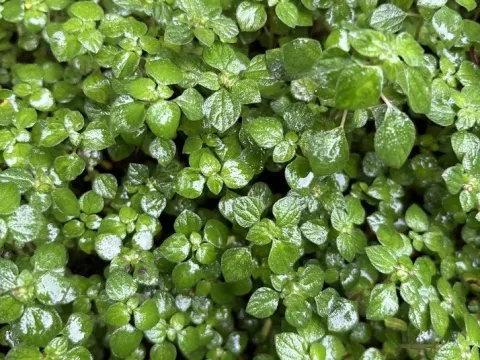
Botanically, Rousselia is recognized as a herbaceous perennial. Its structural features include delicate, often hairy stems and leaves, which are characteristic of the nettle family, though it lacks the stinging hairs found in some other members of the group.
To ensure healthy growth, the plant requires well-draining, nutrient-rich soil. It thrives best in partial shade, as intense sunlight can cause the foliage to bleach or wilt during the peak heat of the day.
In terms of agronomy, maintaining soil moisture is vital. While the plant appreciates humidity, it is susceptible to root rot if waterlogged, making high-quality drainage systems essential in both greenhouse and outdoor cultivation.
The primary use of Rousselia is as an ornamental ground cover. It is favored by landscape designers for its ability to form dense, lush green carpets in shaded or semi-shaded garden areas where other plants might struggle to establish.
The most significant threats to Rousselia include fungal infections such as powdery mildew and grey mold, which are often exacerbated by poor air circulation and excessive humidity levels in the growing area.
Common pests include spider mites and aphids. These insects frequently attack the undersides of leaves, causing structural damage and hindering the overall photosynthetic efficiency of the plant.
Effective management involves consistent monitoring and the use of integrated pest management (IPM) strategies, including biological controls such as predatory mites to manage aphid populations.
Sanitation practices, such as removing dead or dying leaves, are essential to minimize the risk of pathogen outbreaks within a planting bed or greenhouse environment.
Chemical intervention should be considered only as a last resort, using targeted treatments that are safe for the specific botanical characteristics of the Urticaceae family to avoid foliage phytotoxicity.