
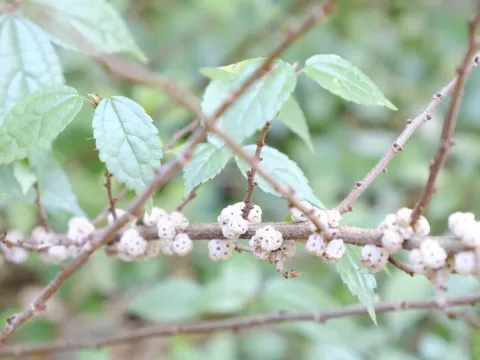
Villebrunea
Villebrunea
Villebrunea is a genus of perennial plants within the family Urticaceae. Native to the tropical regions of Asia, these plants are well-adapted to hot and humid environments, where they thrive under conditions of abundant rainfall and consistent temperatures throughout the year.
What the section contains
Villebrunea
Successful cultivation of Villebrunea requires fertile, well-drained soils rich in organic matter. Because the plant is highly sensitive to cold, it cannot survive in temperate climates and is exclusively grown in regions that remain free from frost, ensuring continuous growth and fiber development.
Botanically, Villebrunea is recognized for its sturdy, upright stems that contain valuable bast fibers. The leaves are typically simple and arranged alternately along the stem. The plant's root system is robust, providing stability and helping it extract nutrients from the soil efficiently in competitive tropical ecosystems.
The agronomic management focuses on achieving high-quality stalks suitable for fiber extraction. This requires careful attention to plant density to encourage vertical growth and minimize branching. Proper spacing ensures that each plant receives enough sunlight and airflow to prevent disease development in dense tropical stands.
In terms of economic utility, the plant is primarily cultivated for its bast fiber, which is known for its high tensile strength and durability. These fibers serve as a crucial raw material for manufacturing ropes, industrial fabrics, nets, and specialty paper, often serving as a sustainable alternative to synthetic materials.
The primary threats to Villebrunea crops include fungal pathogens that thrive in high humidity, leading to stem rot and foliage blight. Maintaining adequate drainage and proper spacing between plants is essential to reduce the risk of these diseases spreading through the field.
Pests such as spider mites and various defoliating larvae are the main animal threats to the crop. Effective management involves regular field inspections and the use of targeted biological controls to prevent significant loss of vegetative mass, which would directly impact fiber yield and quality.