
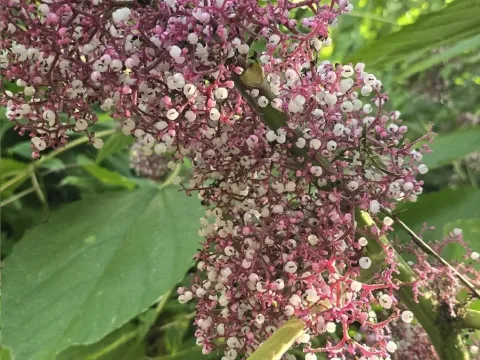
Urera
Urera
Urera is a genus belonging to the Urticaceae (nettle) family, encompassing a variety of shrubs and small trees. These plants are native to tropical and subtropical regions across the globe, with significant populations found in the rainforests of the Americas, Africa, and parts of Asia.
What the section contains
 Urera acuminata
Urera acuminata
Urera acuminata
 Urera aurantiaca
Urera aurantiaca
Urera aurantiaca
 Urera baccifera
Urera baccifera
Urera baccifera
 Urera caracasana
Urera caracasana
Urera caracasana
 Urera elata
Urera elata
Urera elata
 Urera hypselodendron
Urera hypselodendron
Urera hypselodendron
 Urera laciniata
Urera laciniata
Urera laciniata
 Urera nitida
Urera nitida
Urera nitida
 Urera repens
Urera repens
Urera repens
 Urera trinervis
Urera trinervis
Urera trinervis
Urera
The plant thrives in warm, humid climates and is sensitive to frost, which limits its cultivation to tropical zones or controlled environments like greenhouses in cooler regions. It prefers nutrient-rich, well-draining soils that are capable of retaining moisture without becoming waterlogged.
Botanically, Urera plants often feature stinging hairs, similar to other nettle species, which act as a defense mechanism against herbivores. They possess simple leaves and small, often inconspicuous flowers that are typically pollinated by wind or specialized insects.
For successful cultivation, agricultural practice must focus on maintaining consistent soil moisture and humidity levels. Shade management is crucial, as Urera species are generally adapted to the understory conditions of tropical forests, where they receive filtered sunlight.
Economic uses of Urera are largely centered on its bast fibers. Indigenous communities have long utilized the stems to produce durable cordage, fishing lines, and woven textiles due to the fibers' exceptional tensile strength and resistance to degradation in wet environments.
Plants in the Urera genus can be susceptible to various fungal pathogens when humidity is poorly managed, including leaf spot and root rot. Common insect pests include aphids and spider mites, which can cause significant damage to foliage and hinder the overall fiber quality of the crop.