


Reference · Crops
Stinging Nettle
Urtica
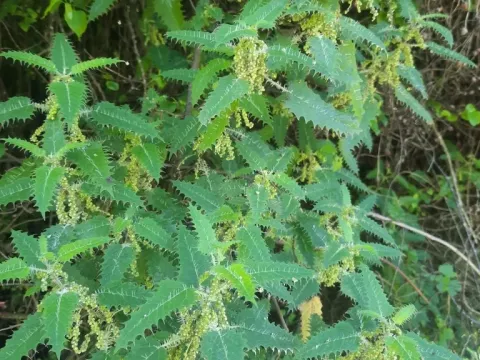
Stinging nettle (Urtica dioica) is a perennial herbaceous plant belonging to the Urticaceae family, recognized for its high nutrient profile and wide range of industrial applications.
2
items
What the section contains
Marketplace
Products in this section · 12

Alfa-Prometrin
Zhejiang Zhongshan Chemical Industry Group Co., Ltd.
Herbicides
1
1
20 offers
4.93 €per pack
Buy




Stinging Nettle
Sowing is typically performed in early spring as soon as the soil is workable, or in late autumn to allow for natural cold stratification of the small seeds.
Because the seeds are minute, they are broadcast or drilled at a very shallow depth, barely covering them with a light layer of soil to ensure proper germination without suffocating the embryo.
A row spacing of 50 centimeters is optimal, as it provides sufficient space for root system development and facilitates inter-row cultivation to manage weeds during the first season.
Propagation through rootstock division is a faster alternative for commercial planting, allowing for a harvestable crop within the same growing season compared to starting from seed.
This crop thrives in fertile, moisture-retentive soils that are rich in nitrogen, organic matter, and calcium, typically preferring sites with a slightly acidic to neutral pH level.
While nettle exhibits remarkable adaptability, it yields the highest volume of high-quality biomass when provided with consistent moisture throughout the active growing period.
The plant performs well in both sunny and semi-shaded environments, though full sun exposure often leads to higher concentrations of secondary metabolites in the leaves.
It is a highly frost-hardy species, capable of surviving harsh winters, which makes it a low-risk perennial crop for temperate agricultural regions across the globe.
Good soil drainage is essential; while the plant loves moisture, stagnant water in the root zone can lead to hypoxia and increase the susceptibility to various fungal pathogens.
With intensive management and adequate fertilization, stinging nettle can produce impressive yields, often ranging from 15 to 25 metric tons of green biomass per hectare.
Frequency of harvest is the primary driver of total seasonal productivity, with multiple cuttings possible if the crop is well-irrigated and nourished after each harvest cycle.
The peak biomass accumulation occurs during the late vegetative and early budding stages, which is when most producers prioritize harvesting for pharmaceutical and nutraceutical markets.
Sustainable yield management involves leaving a significant portion of the stem length during the final cut of the year to ensure healthy root reserves for winter dormancy.
Regular harvesting prevents the plant from reaching the woody, seed-producing phase, thereby maintaining the quality and tenderness of the leaf material throughout the season.
The crop is relatively resilient, but it can be susceptible to aphids and certain species of caterpillars, such as the small tortoiseshell, during periods of high population pressure.
Powdery mildew is the most common fungal issue, particularly in dense stands with poor airflow and high humidity, necessitating proper spacing and thinning strategies.
Root rot caused by Phytophthora or Pythium species may occur in waterlogged soils, making site selection and field drainage critical components of a healthy crop management plan.
Integrated pest management (IPM) practices, including the encouragement of beneficial predator insects, are effective for maintaining nettle health without heavy reliance on chemicals.
Sanitation practices, such as removing old crop debris at the end of the season, are effective in breaking the life cycles of common pests and reducing inoculum levels for the following year.
Timing the harvest is crucial; gathering the foliage just before the flowering stage ensures the highest concentration of vitamins, minerals, and bioactive compounds.
Mechanical harvesting is common in large-scale operations, utilizing specialized forage harvesters that cut the plants at a specific height to promote rapid regeneration.
Post-harvest handling is critical, as fresh nettle biomass is highly perishable and prone to heating if left in piles for too long before drying or processing.
Drying should be conducted in shaded, well-ventilated areas or temperature-controlled kilns to preserve the plant's natural green color and nutritional integrity.
Once dried, the product should be stored in moisture-proof containers in a cool, dark location to ensure a long shelf life and prevent the degradation of heat-sensitive compounds.