
Thunberg's nettle
Urtica thunbergiana
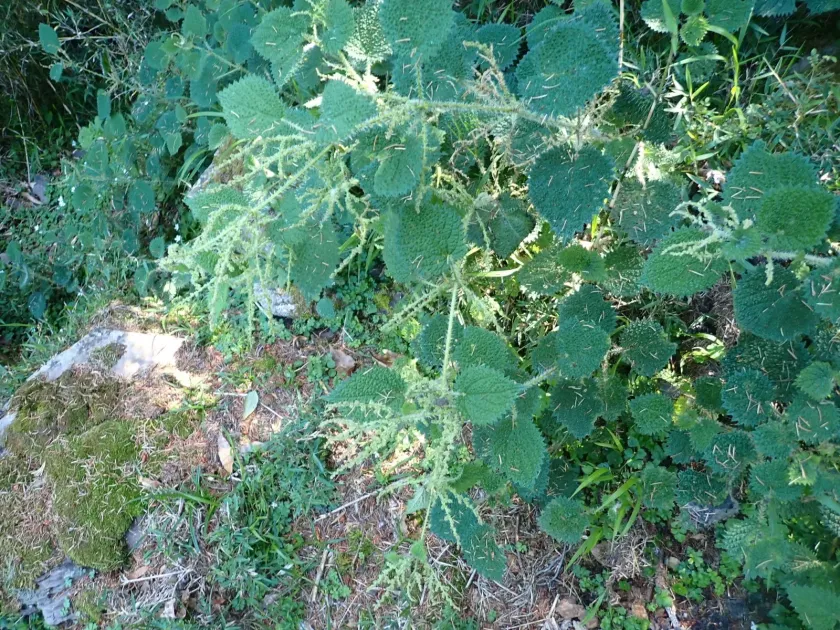
Description
Sowing dates
Thunberg's nettle (Urtica thunbergiana) is a perennial herbaceous plant belonging to the Urticaceae family. It is native to the temperate regions of East Asia, primarily found in Japan and Taiwan.
Propagation is typically done through seeds sown in early spring or by dividing established rhizomes. Seeds require a well-prepared, fine-textured seedbed to ensure successful germination.
The sowing depth should be shallow, approximately 1 centimeter. Consistent soil moisture is critical during the first few weeks after sowing to prevent the seeds from drying out.
Row spacing should be maintained at 45 to 60 centimeters to allow for proper airflow and access for field operations. This spacing also helps in managing the aggressive spread of the rhizomes.
In temperate climates, the plants establish themselves quickly and can form dense colonies within the first year if growing conditions remain stable and favorable.
Growing requirements
This species thrives in partially shaded environments, mirroring its natural habitat in forest understories. Prolonged exposure to intense midday sun can stress the plants and degrade leaf quality.
The soil must be nutrient-rich, moist, and well-drained. While Thunberg's nettle enjoys moisture, it cannot tolerate waterlogged conditions, which lead to root rot and other physiological disorders.
An ideal pH for this plant ranges from slightly acidic to neutral. Incorporating organic matter, such as compost or leaf mold, into the soil improves fertility and moisture retention capacity.
Temperature management is key for optimizing biomass yield. The plant prefers moderate temperatures and requires supplemental irrigation during dry spells to maintain continuous growth.
In colder regions, providing a layer of mulch during the winter months helps protect the root system, ensuring the survival and vigor of the plants for the next growing season.
Main diseases and pests
Common pests include aphids and spider mites, which can cause significant damage to the foliage. Monitoring should be frequent, especially during the hot, dry months of the growing season.
Fungal diseases like powdery mildew are common, particularly when plants are grown in high-humidity environments with poor ventilation. Proper spacing is the primary cultural control method.
Leaf-eating caterpillars may also target this plant. Integrated pest management (IPM) strategies, including biological control agents, are recommended for large-scale agricultural production.
Root pathogens can occur if the field is poorly drained. Avoiding over-irrigation and maintaining proper soil drainage are essential for preventing these types of infections.
Regular sanitation of the field, including the removal of debris and infected plant tissues, is necessary to reduce the inoculum levels of potential diseases for the following cycle.
Harvesting
Harvesting is usually focused on the tender, young shoots and leaves. The best time for harvest is before the plant enters its full flowering stage, which ensures maximum nutritional value.
Mechanical harvesting of shoots is possible, leaving a sufficient portion of the stem for regeneration. Multiple cuttings can be achieved throughout the growing season if irrigation is sufficient.
Post-harvest handling is critical, as the cut leaves are highly perishable. They should be transported quickly to a cool storage facility to minimize wilting and loss of quality.
Drying is a common processing method for Thunberg's nettle, usually done in temperature-controlled environments to preserve the delicate chemical composition of the plant.
The culinary and medicinal applications of this species are significant, making it a valuable specialty crop for growers focused on high-quality botanical products and traditional foods.