
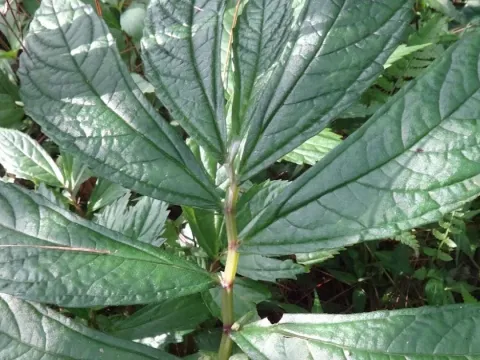
Elatostema laetevirens
Elatostema laetevirens
Elatostema laetevirens is a perennial herbaceous plant belonging to the Urticaceae family. Native to the damp forest regions of East Asia, it thrives in environments characterized by high humidity and consistent shade, often found near streams and rocky outcrops.
What the section contains
Elatostema laetevirens
Botanically, the species is distinguished by its succulent, creeping stems that root easily at the nodes, allowing it to spread effectively across the forest floor. The leaves are characteristically asymmetrical, possessing a vibrant green hue and a soft, somewhat fleshy texture.
The cultivation of this crop requires strict adherence to humidity levels, ideally maintained above 60%. It is highly sensitive to dry air, which causes rapid desiccation of the delicate leaf margins and overall decline in plant vigor.
Soil requirements involve a loose, well-draining substrate rich in organic matter, such as leaf mold or sphagnum peat. The pH should be maintained in the slightly acidic to neutral range to facilitate optimal nutrient uptake.
Regarding light, Elatostema laetevirens requires bright but filtered light. Direct sun exposure is detrimental and will cause severe chlorosis or leaf scorching; therefore, it is best grown in interior environments with dappled lighting.
Spider mites are the most common pest associated with this plant, especially when the ambient humidity is too low. Mealybugs may also infest the stems if the plant's immune system is weakened by improper care.
Root rot is the primary pathological threat, typically induced by overwatering and compacted soil. It is essential to ensure that the potting medium remains moist but never waterlogged to prevent fungal colonization.
Gray mold (Botrytis) can develop in poorly ventilated areas where moisture persists on the foliage for extended periods. Improving airflow around the plant is the most effective management strategy for this condition.
Regular monitoring of the leaf undersides is recommended for early detection of pest populations. Immediate isolation of infested plants is necessary to prevent the spread of insects within the collection.
Chemical control should be used sparingly, prioritizing horticultural oils or mild insecticidal soaps. Integrated pest management practices remain the gold standard for maintaining the health and aesthetics of this ornamental species.