
Elatostema nasutum
Elatostema nasutum
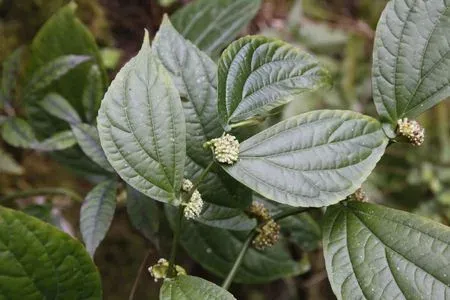
Description
Growing requirements
Elatostema nasutum belongs to the Urticaceae family and is native to the tropical forests of Southeast Asia. This herbaceous perennial is highly regarded for its unique structural appeal and lush green appearance in shaded, humid environments.
The crop requires a stable temperature range between 20°C and 25°C to maintain vigorous growth. It is highly sensitive to cold drafts and sudden drops in temperature, which can lead to significant physiological stress and leaf drop.
Soil requirements for optimal cultivation include a well-aerated, moisture-retentive substrate rich in organic matter. A mixture of peat, perlite, and decomposed leaf mold is ideal for providing the necessary root environment for this species.
Humidity management is a cornerstone of Elatostema agrotechnics. The plant thrives in high-humidity environments, necessitating regular misting or the use of automated fogging systems if grown in indoor commercial settings.
Light management requires a careful approach: the plant prefers filtered or indirect light. Excessive exposure to direct sun can damage the foliage tissue, while low light can lead to elongated, weak stems and loss of decorative compactness.
Main diseases and pests
Root rot and fungal leaf spot are the most prevalent diseases, usually caused by poor drainage or overly stagnant air conditions in the cultivation area.
Common pests include spider mites and mealybugs, which thrive in low-humidity indoor environments and can quickly sap the plant of vital nutrients.
Effective management strategies involve integrating biological controls with targeted acaricide applications when infestations exceed established thresholds.
Maintaining high hygiene standards in greenhouses is essential to prevent the spread of soil-borne pathogens that target the delicate root systems of the crop.
Regular inspection of the plant's canopy is crucial for early detection of pest colonies, which are often found tucked within the axils of the leaves.