
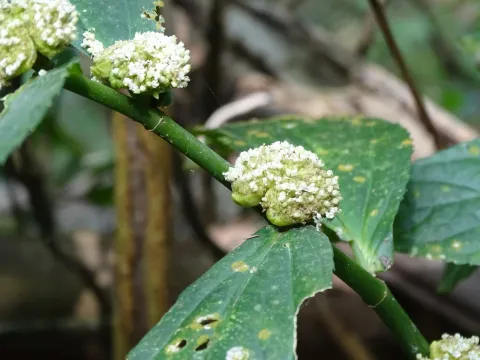
Elatostema edule
Elatostema edule
Elatostema edule is a perennial herbaceous plant belonging to the Urticaceae family. It is a traditional edible green widely cultivated in parts of Papua New Guinea and the Pacific Islands for its nutritional leaves and stems.
What the section contains
Elatostema edule
The primary method of propagation is vegetative, utilizing stem cuttings. These cuttings root easily in moist, nutrient-rich soil, making it a simple process for small-scale farmers to establish and expand their plots.
Planting can occur year-round in suitable tropical climates. Cuttings should be placed in shaded or semi-shaded environments, ensuring they are protected from direct, harsh sunlight during the critical rooting phase.
Optimal spacing ensures that the plants create a lush, dense canopy. This spacing is effective for suppressing weed competition and maintaining the micro-humidity that the species prefers for vigorous growth.
The plant exhibits a high rate of regrowth after pruning. This rapid recovery cycle allows farmers to harvest consistently, provided that the soil moisture levels and nutritional requirements are met.
This crop thrives in conditions mimicking its natural tropical forest habitat. It prefers consistent humidity and temperatures ranging from +22°C to +28°C, and is sensitive to cold spells and frost.
Soil requirements are centered on high organic content and excellent water retention. The roots are relatively shallow, making the plant vulnerable to drought; therefore, consistent moisture is vital for development.
While the plant loves moisture, good drainage is essential to prevent root rot. It is best to avoid waterlogged soils, as these can quickly lead to fungal issues and plant death.
Light levels should be managed carefully. While it can grow in partial shade, excessive exposure to full sun causes leaf wilting and reduces the overall quality of the edible green mass.
Fertilization should focus on organic amendments like compost or leaf mulch. These additions not only provide necessary nutrients but also help maintain the soil structure essential for this plant.
Yield productivity is tied to the frequency of harvest and the availability of soil nutrients. A well-maintained patch can provide a continuous supply of fresh, tender leaves and succulent young shoots.
The marketable portion consists of young, soft stems and leaves, which are typically picked before the plant reaches a woody or reproductive stage. Harvesting stimulates lateral branching.
Productivity per square meter is quite high under intensive management. The plant is valued for its ability to produce substantial biomass without requiring the intensive input associated with standard field vegetables.
Longevity of a plantation is typically 2 to 3 years. After this period, plants often become less vigorous, necessitating replanting from fresh cuttings to maintain high yield standards.
Regular maintenance, such as the removal of old stems and weeding, is critical for maximizing yield. Efficient management ensures that the plant diverts its energy to fresh vegetative growth rather than reproduction.
Major threats include fungal diseases such as powdery mildew, which thrive in humid and stagnant air conditions. Proper spacing and airflow are the most effective preventative measures against such issues.
Pests such as aphids and leaf-eating caterpillars can inflict significant damage on the foliage. Given that the leaves are for human consumption, pest control must prioritize biological and non-toxic methods.
Biological controls include encouraging natural predators and using botanical sprays. Chemical pesticides should be avoided to ensure the product remains safe and suitable for consumption.
Early identification of pest infestations is key to preventing widespread damage. Routine inspection of the undersides of leaves and growing tips is a necessary part of daily plantation maintenance.
Sanitation practices, such as removing debris and infected plants immediately, play a vital role in preventing the spread of diseases within a cultivation site.
Harvesting is performed manually by clipping off the terminal parts of the shoots. This practice encourages the plant to remain bushier and promotes the formation of new, tender growth.
Morning harvesting is recommended as the plant tissues are turgid and fresh. This provides the best texture and flavor profile for culinary use in various traditional dishes.
Because the foliage has a high moisture content, it is highly perishable. It should be processed or sold quickly after harvesting to prevent wilting and degradation of nutrients.
Culinary applications usually involve light boiling, steaming, or sautéing. The leaves are a staple food in many island communities, often prepared alongside local ingredients like tubers and coconut cream.
Proper harvest management not only provides food but also ensures the longevity of the plant, preventing it from bolting or becoming too fibrous for palatable consumption.