
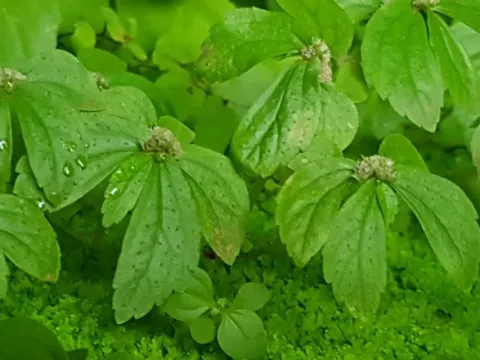
Elatostema cuneatum
Elatostema cuneatum
Elatostema cuneatum is a perennial herbaceous plant belonging to the Urticaceae family. Native to the humid forest regions of Asia, this species thrives in understory conditions where indirect light and high moisture levels are prevalent throughout the growing season.
What the section contains
Elatostema cuneatum
Botanically, the plant is distinguished by its succulent-like, tender stems and distinct cuneate-shaped leaves that grow in a decussate arrangement. It is primarily valued for its foliage, which provides a lush, tropical appearance in greenhouse settings or interior design projects.
Regarding soil requirements, the plant prefers a porous, well-draining substrate rich in organic matter. A pH level ranging from slightly acidic to neutral is optimal for nutrient uptake, ensuring healthy development of the root system and vibrant leaf coloration.
Environmental requirements include a consistent temperature range between 18 and 22 degrees Celsius. High atmospheric humidity is critical, as the plant is adapted to tropical forest environments and may suffer from desiccated tips if ambient humidity drops below fifty percent.
The agricultural and ornamental use of this crop is specialized. It serves as an excellent ground cover in indoor conservatories and vertical wall installations, where its ability to grow in low-light conditions provides significant design flexibility.
The primary threats to Elatostema cuneatum are pathogens associated with excessive moisture, specifically fungal infections such as Pythium or Phytophthora root rot. These diseases are usually triggered by poor drainage or prolonged waterlogging of the soil profile.
Pest management focuses on mitigating infestations of spider mites and mealybugs. These pests are attracted to the tender leaf tissues and can cause significant damage to the plant's aesthetic value if left untreated, requiring vigilant monitoring and integrated pest management practices.