
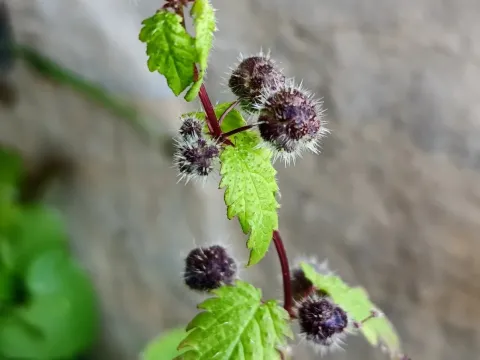
Roman nettle
Urtica pilulifera
Roman nettle (Urtica pilulifera) is a member of the Urticaceae family and stands out as a unique annual species compared to its perennial counterparts. Its cultivation requires careful site selection and preparation to ensure optimal growth.
What the section contains
Roman nettle
Sowing should take place in early spring once the threat of frost has passed and the soil has sufficiently warmed up. For large-scale production, mechanical drills are used to ensure precise seed placement at a depth of about 1 centimeter.
Row spacing is essential for proper air circulation and weed management. A distance of 30 to 45 centimeters between rows is typically recommended, allowing for easier maintenance and healthy plant development during the growing season.
Soil preparation involves deep plowing and the incorporation of organic matter. The site must be cleared of perennial weeds, as the annual Roman nettle competes poorly with aggressive grasses during the early seedling stage.
Consistent moisture is key during the germination phase. If spring rainfall is scarce, light irrigation is necessary to ensure the seeds stay moist and sprout uniformly across the entire planting area.
This crop thrives in fertile, well-draining soils that are rich in nitrogen. A neutral to slightly alkaline soil pH is preferred, as this condition supports the rapid growth of the leaves and stems which are the main targets for harvesting.
Sunlight is a critical factor for the quality of Roman nettle. The plant should be grown in open, sunny locations to maximize the production of specialized chemical compounds that give the plant its medicinal properties.
While the plant is quite hardy, it responds best to stable weather conditions. Excessive humidity can lead to fungal issues, whereas extreme drought may cause the plant to flower prematurely, reducing the overall biomass yield.
Fertilization management should be focused on nitrogen application during the vegetative stage. This promotes lush, green growth, which is essential for maximizing the annual yield of the crop before the onset of flowering.
Protection from strong winds is advisable in certain regions to prevent the lodging of mature plants. Secure placement in fields with natural windbreaks or proper spacing can mitigate these risks effectively.
- Aphids that feed on succulent stems.
- Leaf spot diseases caused by high humidity.
- Root rot if soil drainage is inadequate.
- Slugs and snails during the early seedling stage.
- Red spider mites in hot and dry climates.
Effective management involves monitoring the crop regularly and applying integrated pest management strategies. Using balanced irrigation schedules is the most effective way to prevent the majority of these fungal and pest threats.
Harvesting the foliage is done just as the plants begin to bud. Using a sickle or a mechanical harvester, the crop is cut close to the ground, ensuring the collection of high-quality leaf material.
The characteristic spherical, stinging fruit heads require specific handling. If seed harvesting is the goal, the plants are allowed to mature until the capsules turn brown, requiring careful harvesting to avoid shedding.
Post-harvest processing involves immediate drying in a controlled environment. Keeping temperatures between 35 and 45 degrees Celsius ensures that the vital nutrients and active compounds remain stable throughout the process.
Storage should be conducted in dark, cool, and dry conditions. Proper ventilation is vital to prevent mold growth, which can quickly ruin a whole batch of harvested plant material if moisture is trapped.
Quality control standards dictate that the final product should be free from dirt, yellow leaves, and debris. Regular inspections during the packaging phase ensure only premium grade material reaches the market.