
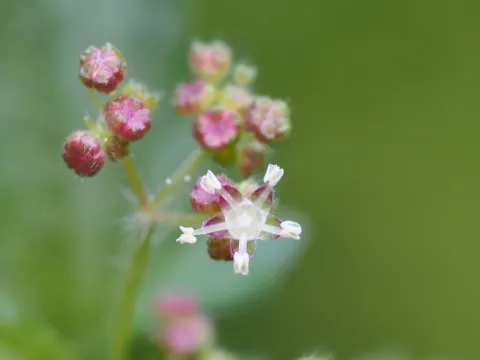
Nanocnide
Nanocnide
The genus Nanocnide belongs to the Nettle family (Urticaceae) and consists of herbaceous plants characterized by their delicate structure and specific ecological preferences. These plants are rarely cultivated for commercial agricultural purposes, remaining of interest primarily to botanists and specialized gardeners.
What the section contains

Nanocnide
Native to parts of East Asia, these plants thrive in shaded, cool forest environments. They are highly dependent on high atmospheric humidity and protection from direct solar radiation, which can quickly lead to leaf scorching and overall plant decline.
Regarding soil requirements, Nanocnide prefers nutrient-rich, moist, and well-drained substrates. The ideal soil should be high in organic matter, mimicking the forest floor, and should maintain a stable pH level between slightly acidic and neutral.
Cultural management for this genus focuses on microclimate control. When grown in non-native environments, it is essential to provide consistent shade and wind protection to prevent moisture loss through transpiration.
Watering management is crucial; the substrate should be kept consistently moist but never waterlogged. Because Nanocnide has sensitive roots, drainage must be prioritized to prevent fungal diseases that often affect nettle-family plants in stagnant moisture conditions.