
Nanocnide japonica
Nanocnide japonica
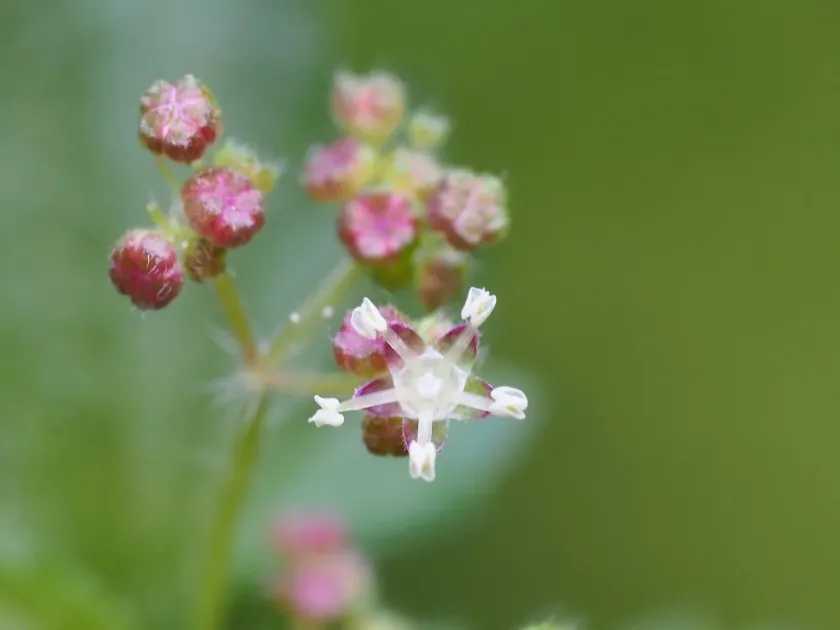
Description
Growing requirements
Nanocnide japonica is a herbaceous perennial plant belonging to the Urticaceae family. It is native to the temperate and subtropical regions of East Asia, including Japan, China, and the Korean Peninsula, where it thrives in humid habitats.
The plant demonstrates a strong preference for shaded environments, typically growing in the understory of forests. In a controlled or agricultural setting, it is essential to provide protection from direct sunlight to prevent leaf scorch and dehydration.
Success in cultivating this species depends on maintaining consistent soil moisture. The ideal substrate is a rich, well-draining organic mix that retains moisture without becoming waterlogged, which could lead to root system decay.
Morphologically, Nanocnide japonica is characterized by slender stems and delicate foliage. Unlike many other members of the Urticaceae family, it lacks the stinging trichomes commonly associated with stinging nettles, making it physically distinct and harmless to touch.
Regarding its economic utility, the species is mainly recognized in botanical collections and niche horticultural projects. While it is not a large-scale agricultural crop, its resilience in shady, damp environments makes it a potential candidate for specialized landscaping applications.