
Myrianthus
Myrianthus
Myrianthus is a genus of tropical trees belonging to the Urticaceae family, native to the rainforest regions of Africa. These trees are highly valued in their local ecosystems for both fruit production and ecological contributions.
What the section contains

Myrianthus
The cultivation of Myrianthus requires a tropical climate with consistent temperatures and high precipitation throughout the year. The plants thrive in rich, deep, and well-draining soils that provide ample nutrients for their significant vegetative growth.
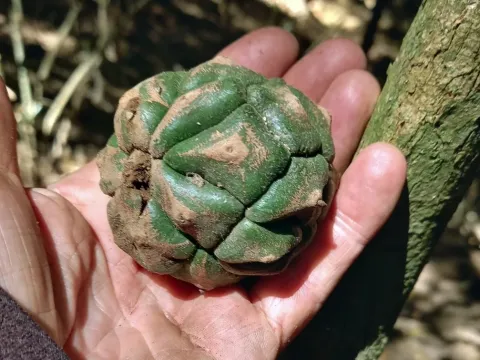
Botanically, these trees feature large, compound leaves and produce distinctive, fleshy, edible fruits. They play a vital role in the forest structure, often acting as a shade provider for other smaller species within the tropical canopy.
Agricultural practices for Myrianthus involve careful soil management and protection against extreme environmental fluctuations. Mulching is recommended to maintain optimal soil moisture levels, which is crucial for the healthy development of fruit-bearing trees.
The primary use of Myrianthus revolves around its edible fruits, which are consumed fresh or used in local culinary preparations. Furthermore, the tree is often integrated into agroforestry systems due to its ability to improve soil cover and biodiversity.
The main threats to Myrianthus crops include fungal pathogens that thrive in humid tropical conditions. Proper site selection and avoiding waterlogging are essential strategies to prevent root rot and other systemic diseases.
Insect pests such as leaf miners and wood-boring beetles can affect tree vigor. Sustainable pest management focusing on biological control is preferred to protect the delicate balance of the tropical habitat.
Harvesting Myrianthus fruits is a manual process performed when the fruits reach optimal ripeness. Due to the delicate nature of the flesh, they require careful handling to maintain quality for immediate consumption.