
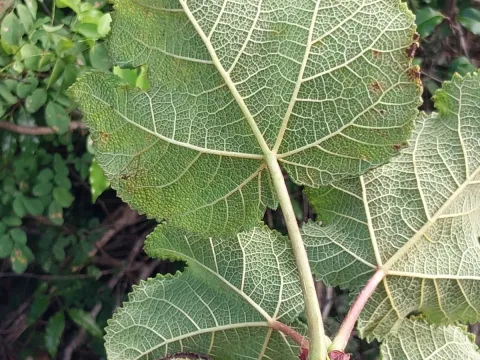
Obetia
Obetia
Propagation of Obetia in agricultural settings is typically achieved through seeds or vegetative cuttings. The optimal time for planting coincides with the onset of the tropical rainy season, when high temperatures provide the necessary conditions for rapid germination.
What the section contains


Obetia
Seed preparation requires cleaning the seeds from the perianth and occasionally stratification. Planting is carried out in loose, well-draining soil at a shallow depth of about 1-2 centimeters, as the seeds need light for successful activation.
Vegetative propagation via cuttings involves using nursery-grown material treated with rooting hormones. It is essential to maintain high humidity levels during the initial rooting phase to ensure the establishment of the young plants.
Planting density is determined by the intended use of the fiber. Denser planting patterns are generally preferred for industrial fiber production to encourage the growth of long, straight, and unbranched stems.
Seedlings and young cuttings require shading during the first few weeks to protect them from intense direct sunlight, which can cause leaf desiccation. As the plants mature, they develop a higher tolerance to full sun exposure.
Obetia belongs to the Urticaceae (Nettle) family and is native to the tropical regions of Africa and Madagascar. The crop thrives in fertile, well-drained soils that are rich in organic matter, preferring a neutral or slightly acidic pH balance.
Temperature regulation is critical, as Obetia is a strictly tropical plant that cannot tolerate frost. The ideal temperature range for vigorous growth is between 22 and 30 degrees Celsius throughout the vegetative stage.
The plant has a significant demand for soil moisture, but it is highly sensitive to waterlogging. Proper drainage is necessary to prevent root rot and ensure that the root system receives sufficient aeration for healthy growth.
While the plant can tolerate partial shade, maximum biomass accumulation and fiber quality are achieved under abundant diffuse light. Insufficient light leads to etiolated, weak stems that are unsuitable for high-quality fiber extraction.
Nutrient availability, particularly nitrogen and potassium, is essential for rapid vegetative growth. Regular applications of organic compost or balanced fertilizers are recommended to maintain high production levels in cultivated stands.
The yield of Obetia is heavily dependent on moisture management and the consistency of the growing climate. Under optimal conditions, the plant is capable of producing substantial vegetative mass in a relatively short time.
The primary economic product is the bast fiber extracted from the stems. Yield is calculated based on the weight of processed fiber obtained per unit area, requiring precise timing for harvesting to ensure the highest quality.
Leaf biomass can serve as a beneficial by-product, as it can be composted and returned to the soil as an organic fertilizer, helping to replenish nutrients removed during the intensive growth cycle.
Research suggests that plantation-style cultivation offers significantly higher and more predictable yields compared to the traditional practice of harvesting wild specimens in forest environments.
Consistent maintenance, including weeding and soil loosening between rows, is a vital practice for maximizing total biomass and fiber output by reducing competition from invasive weeds.
Common pests affecting Obetia include various insects that feed on the succulent foliage, such as caterpillars and aphids. Aphids, in particular, are problematic as they can transmit viral infections to the plant.
Fungal diseases, especially root rot, occur when moisture levels are not managed correctly or when planting density is too high. These pathogens can cause rapid degradation of the root system and plant health.
Nematodes can infest the root zone, causing stunted growth and leaf chlorosis. Implementing a strict crop rotation schedule is the most effective way to prevent the buildup of these soil-borne pests.
Physical damage to the stems during maintenance activities provides entry points for opportunistic bacterial infections. Therefore, the use of sterile tools and gentle handling is recommended during all field operations.
Integrated Pest Management (IPM), including biological controls, is preferred over chemical interventions. The use of pesticides should be strictly limited to protect the integrity and purity of the natural fiber.
The harvesting process takes place at the stage of technical maturity, identified by the stem's height and the initial development of inflorescences. Harvesting too late results in excessively lignified and brittle fibers.
Stems are harvested using sharp, clean tools, cutting approximately 10-15 centimeters above the soil level to facilitate vegetative regrowth and future harvests from the same root base.
Primary processing involves stripping the leaves and soaking the stems in water to facilitate the extraction of the bast fiber. This retting process is crucial for producing high-quality textile-grade material.
Drying the fibers should be done in a shaded, well-ventilated area to prevent degradation caused by excessive UV exposure. Controlled drying ensures that the fiber retains its natural elasticity and tensile strength.
The final stages of processing include scutching and hackling, which remove residual woody matter from the fiber strands. The finished product should be stored in a dry, ventilated environment to prevent moisture-related spoilage.