
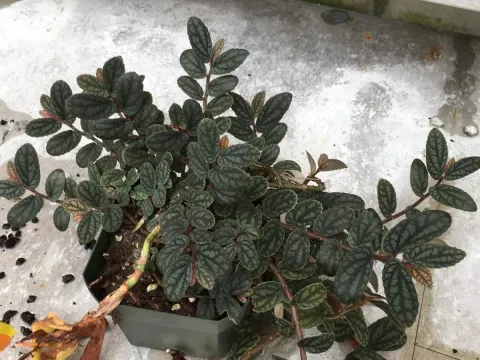
Pellionia
Pellionia Gaudich.
Pellionia is a genus within the Urticaceae family, consisting of creeping, herbaceous perennial plants native to the tropical forests of Southeast Asia and Polynesia. It is primarily valued in horticulture for its distinctively patterned, trailing foliage.
What the section contains

Pellionia
The crop requires high atmospheric humidity, ideally maintained above 65%. In controlled environments, misting systems or greenhouses with consistent moisture levels are essential to prevent the foliage from drying out and losing its decorative appeal.
Temperature requirements are strictly tropical, ranging between 20°C and 26°C. The plant is sensitive to cold stress; exposure to temperatures below 15°C can cause severe wilting, chlorosis, and irreversible damage to the soft stems.
Soil composition must be rich in humus, well-draining, and aerated. A standard cultivation mix includes peat, leaf mold, and sand or perlite, which ensures that root respiration is not compromised by waterlogging during the irrigation process.
Light management requires partial shade or filtered light. Direct sunlight is highly detrimental to Pellionia, as it bleaches the foliage and scorches the thin leaves, significantly reducing the commercial value of the crop.
Spider mites are the most common pests, thriving in poorly ventilated or excessively dry conditions. Their feeding activities cause visible stippling on the leaves and can lead to complete defoliation if left untreated by appropriate acaricides.
Root rot, primarily caused by excessive soil moisture and poor drainage, is a leading cause of plant mortality. Preventive measures include using sterile soil media and implementing strict irrigation schedules based on the actual moisture level of the substrate.
Mealybugs can often be found in the leaf axils, protecting themselves with a white, waxy secretion. Regular inspection and the application of horticultural oils or systemic insecticides are required to keep populations under control in greenhouse settings.
Gray mold (Botrytis) often affects the crop during cooler months when humidity is high and air circulation is insufficient. Ensuring proper airflow between plants is the most effective cultural method to mitigate this fungal threat.
Maintaining high hygiene standards by removing dead or necrotic tissue is vital, as these areas often serve as entry points for bacterial and fungal pathogens that can spread rapidly throughout the crop canopy.