
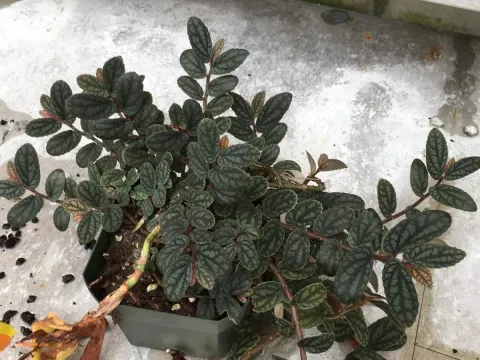
Pellionia
Pellionia
Pellionia is a genus of trailing or creeping herbaceous plants belonging to the family Urticaceae. These plants are native to the tropical forests of Southeast Asia and Polynesia, where they thrive in humid, shaded environments as ground cover.
What the section contains


Pellionia
The climate requirements for Pellionia include a consistent temperature range between 20°C and 25°C. They are strictly tropical in nature and must be protected from cold drafts and temperatures dropping below 15°C, which can cause significant tissue damage.
Regarding soil, the plant prefers a rich, well-draining substrate. A mix consisting of peat moss, perlite, and high-quality potting compost is ideal, as it retains moisture while allowing excess water to drain away, preventing root asphyxiation.
Light management is crucial; these plants perform best in bright, indirect sunlight or partial shade. Direct exposure to the sun will bleach the foliage and can lead to irreversible necrotic spots on the leaves, diminishing the plant's aesthetic value.
Humidity is the most critical factor in their cultivation. As tropical plants, they require ambient humidity levels above 60%. Regular misting, the use of a humidifier, or placing the plant on a pebble tray with water is essential for optimal health.
The most common pests affecting Pellionia are spider mites and mealybugs. These thrive in indoor conditions, particularly when the air is too dry, necessitating consistent monitoring and integrated pest management practices.
Pathogenic threats include fungal infections such as Botrytis (gray mold) and root rot, which typically occur due to overwatering or poor air circulation. Ensuring a proper balance of soil moisture and maintaining airflow helps mitigate these risks.