
Bat-leaved nightshade
Solanum vespertilio
The bat-leaved nightshade (Solanum vespertilio) is a distinct species within the Solanaceae family. As an endemic plant of the Canary Islands, it has evolved to thrive in specific volcanic habitats that dictate its unique physiological requirements.
What the section contains
Bat-leaved nightshade
The plant is typically found in arid or semi-arid regions of the archipelago. It exhibits remarkable drought tolerance, a trait that makes it well-suited for its native environment but necessitates careful management when handled in controlled horticultural settings.
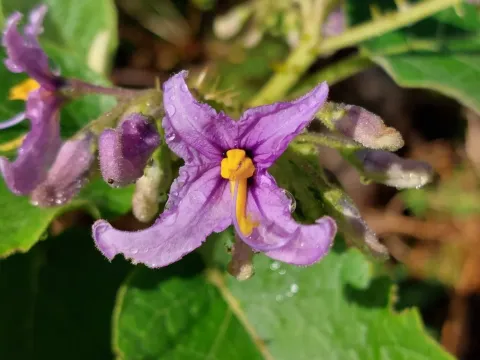
Botanically, it is characterized by its foliage, which has a distinct shape reminiscent of a bat's wings, and thorny stems that provide protection against herbivores. The flowers are typically violet to purple, blooming in clusters that display the classic traits of the Solanum genus.
From an agricultural perspective, this species is not used for commercial production. Its cultivation is limited to conservation projects, botanical gardens, and specialized nurseries focused on maintaining plant biodiversity and studying endemic flora.
Cultivation requires a well-draining substrate to mimic the porous volcanic soils of its origin. Proper air circulation and high light intensity are essential to prevent etiolation and maintain the compact, shrubby habit of the plant during its vegetative growth phase.
In the wild, habitat destruction remains the primary threat to the stability of Solanum vespertilio populations. In a nursery or research environment, the plant is susceptible to common pests associated with the nightshade family, including spider mites and whiteflies.
Root pathogens represent the most significant threat to plant longevity. Because the plant is adapted to dry cycles, an overly moist growing medium can trigger fungal infections such as Pythium or Phytophthora, leading to rapid decay of the root system.
Integrated Pest Management (IPM) is the recommended approach for maintaining healthy specimens. Relying on biological controls, such as predatory mites, is preferred over synthetic chemical treatments to ensure the plant's long-term health and vigor.
Monitoring for signs of nutrient deficiencies or toxicity is important, as the plant may react differently to commercial fertilizers designed for more common crops like tomatoes or peppers. A balanced, low-concentration liquid fertilizer is usually sufficient.
Good sanitation practices, including the sterilization of pots and tools, are vital for preventing the transmission of diseases. Quarantine of new arrivals is standard protocol to prevent the potential spread of pathogens within a managed collection.