
Black nightshade
Solanum nigrescens
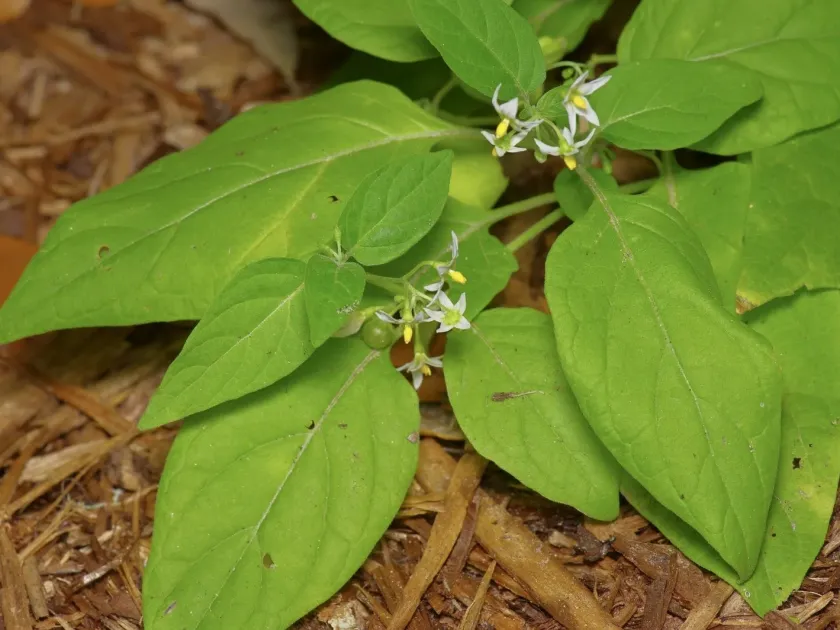
Description
Growing requirements
Solanum nigrescens, commonly known as a type of black nightshade, is a plant species within the Solanaceae family. It is distinct for its specific berry morphology and physiological adaptation to warm, temperate to tropical environmental conditions.
The plant originates from the Americas, where it thrives in diverse ecosystems ranging from disturbed fields to forest margins. In agricultural terms, it is a demanding crop that requires careful management of light and nutrient availability throughout its lifecycle.
To achieve optimal growth, Solanum nigrescens requires fertile, well-draining loamy soils with a pH level between 6.0 and 7.0. Soil preparation should include the incorporation of organic matter to enhance moisture retention while preventing waterlogging.
Climate requirements for this species are centered around stable warm temperatures. It is highly sensitive to frost, which can cause severe damage or death to the plant. Therefore, cultivation is usually limited to frost-free growing seasons or protected environments.
Agricultural techniques for this species include proper spacing to ensure adequate air circulation, which is vital for preventing humidity-related diseases. Regular monitoring of nutrient levels ensures that the plant develops robust stems and high-quality fruit yields.
Main diseases and pests
Bacterial wilt is a significant threat to Solanum nigrescens, especially in regions with heavy rainfall and warm temperatures. This disease rapidly degrades the plant's vascular system, leading to sudden wilting and total crop loss.
Aphids and whiteflies are the most common insect pests, often acting as vectors for viral diseases. Integrated pest management, including the use of sticky traps and beneficial insects, is highly recommended to mitigate these risks effectively.
Late blight remains the most devastating fungal disease for many nightshade species. Prevention requires strict sanitation, including the removal of crop residues and the application of fungicides if environmental conditions favor pathogen growth.
Root-knot nematodes can severely inhibit the uptake of water and nutrients. Crop rotation with non-host plants or the use of soil solarization techniques are effective strategies for maintaining healthy soil conditions for future crops.
Powdery mildew often appears during dry, warm periods with high humidity swings. Maintaining appropriate spacing between plants and avoiding overhead irrigation can significantly reduce the incidence of this fungal infection on leaves and stems.