
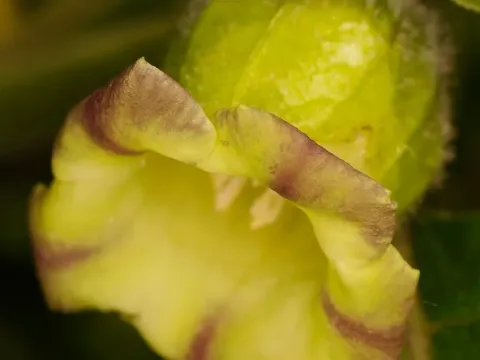
Atropa baetica
Atropa baetica
Atropa baetica is a perennial member of the Solanaceae family that requires specific nursery management for successful establishment. Propagation is primarily achieved through seeds, which often benefit from stratification to ensure uniform germination rates across the plantation.
What the section contains
Atropa baetica
Sowing in a controlled environment or greenhouses is recommended in early spring when soil temperatures reach approximately +15°C to +18°C. This approach allows for vigorous seedling development before they are transplanted into the field during warmer periods.
Transplanting occurs after the risk of late spring frosts has completely passed. Proper spacing is essential, as the plants develop broad, bushy habits that necessitate sufficient airflow to prevent stagnant moisture and subsequent fungal growth.
The field site must be carefully prepared with deep tillage and organic amendment to create a fertile, well-draining environment. Soil structure is paramount for root development, which acts as the foundation for the plant's long-term health and productivity.
Consistent moisture management during the germination and establishment phases is vital. While the plant can tolerate some dryness once mature, the initial stages of growth are highly sensitive to both water stress and saturation.
Atropa baetica thrives in Mediterranean-like climates characterized by moderate temperatures and sufficient light. It prefers a temperature range of +20°C to +25°C for optimal vegetative development throughout the growing season.
Soil quality should be prioritised, favouring light, well-drained loamy soils with a neutral to slightly acidic pH. The plant cannot tolerate poorly drained soils where water stagnation triggers rapid root decay.
Full sun exposure is a requirement for maximizing the chemical profile of the plant. Locations with significant shading should be avoided as they lead to poor biomass development and diminished secondary metabolite production.
Regular agronomic maintenance, including mechanical weeding and row cultivation, is essential to keep the plantation free from invasive plants that compete for nutrients and moisture in the early stages of growth.
Fertilization regimes should be balanced, with an emphasis on potassium and phosphorus during the flowering phase to support the maturation of the plant tissues and the concentration of active ingredients.
Common Solanaceae diseases, including various fungal leaf spots and blights, pose a significant risk to Atropa baetica, particularly under conditions of high humidity or poor ventilation in the field.
Root rot, driven by improper irrigation or overly compacted soils, is a major threat that can devastate entire crops by inhibiting the plant's ability to absorb essential nutrients and water.
Insect pests, such as the Colorado potato beetle or aphids, can severely impact plant vigour. Leaf-eating insects directly reduce photosynthetic capacity, while sap-sucking pests can vector viral diseases.
Viral infections may cause stunted growth, leaf deformation, and discolouration. Once a plant is infected, management focuses on removing affected individuals to prevent the spread of the pathogen to the rest of the crop.
An integrated pest management (IPM) strategy, combining biological controls, precise irrigation, and strict sanitation, is necessary to mitigate these risks and ensure sustainable crop production.
The harvest of Atropa baetica is timed specifically to the peak flowering phase, which correlates with the highest concentration of desired active substances within the aerial portions of the plant.
Mechanical or manual harvesting involves cutting the stems above the base, ensuring that the crown and root system remain intact to protect the longevity of the plant for future harvest cycles.
Immediate post-harvest processing is critical. The biomass must be dried promptly in controlled environments to prevent degradation of its pharmacological properties caused by moisture or enzymatic activity.
Drying temperatures must be carefully monitored to avoid damaging the delicate chemical compounds. Once dried, the material should be stored in cool, dark, and dry conditions to maintain its quality.
Final quality control involves sorting the material to remove woody debris, dust, and non-target plant parts, ensuring the final product meets the standards required for processing and industrial use.