
Athenaea
Athenaea
The genus Athenaea is a member of the diverse Solanaceae (Nightshade) family. These plants are native to the tropical regions of Central and South America, typically inhabiting forest understories where they are sheltered by larger vegetation.
What the section contains
Athenaea
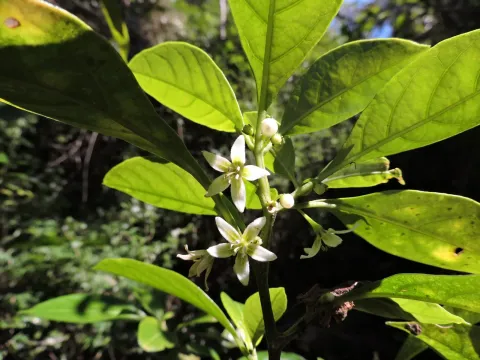
Botanically, Athenaea species are characterized as perennial herbs or subshrubs. Their foliage is usually alternate, and they produce flowers typical of the Nightshade family, often followed by fleshy berries that house small seeds.
Cultivation requires specific environmental conditions that mimic the tropical forest floor. This includes consistently warm temperatures, moderate to high humidity, and protection from direct, intense sunlight which can scorch the leaves.
Soil requirements focus on high organic matter content and excellent drainage. The soil pH should ideally remain slightly acidic to neutral to ensure the proper uptake of micronutrients essential for the healthy development of this species.
While not a major commercial food crop, Athenaea serves as an interesting specimen for botanical research and specialized collections. Its pharmacological potential, due to the synthesis of unique alkaloids, is a subject of ongoing scientific interest.
Athenaea is susceptible to common pests that plague other members of the Solanaceae family. Aphids and spider mites are frequent invaders, especially when the plants are grown in greenhouse conditions with poor air circulation.
Pathogenic threats include various fungal infections, particularly root rots caused by overwatering or poorly aerated substrate. Maintaining hygiene in the growing environment and applying preventative measures are key to ensuring the longevity of these plants.