
Benthamiella
Benthamiella
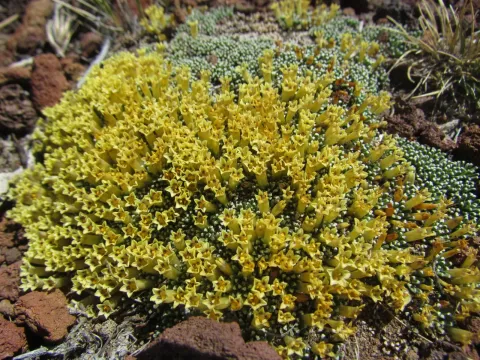
Benthamiella is a genus of compact, cushion-forming plants belonging to the Solanaceae family. These plants have evolved to survive in the harsh, high-altitude environments of the Andes, which dictates their highly specific requirements for cultivation.
What the section contains

Benthamiella
For successful growth, the culture requires conditions that mimic the alpine environment. The plant thrives in rocky, well-drained substrates with very low organic matter content, which is typical for high-altitude desert ecosystems.
This crop is extremely light-demanding and requires full sun exposure throughout the entire day. Any shade will cause the stems to stretch and lose the characteristic dense cushion shape that makes the genus so distinctive to botanists and gardeners.
Benthamiella exhibits high resistance to extreme temperature fluctuations and strong winds. It is capable of surviving in drought conditions, however, it is highly sensitive to waterlogging in the root zone, which can rapidly lead to fungal infection and plant decay.
In cultivation, it is essential to provide a cold dormancy period for the plant. In warm and humid climates, the plant is largely unable to develop normally, which is why it is primarily found in the collections of specialized botanical gardens or the rock gardens of expert enthusiasts.
The primary threat to Benthamiella is root rot, caused by excessive watering or poor substrate aeration. Because the plant has a very dense physical structure, even the slightest lack of airflow inside the cushion leads to the loss of individual plant sections.
Pests rarely affect these plants in their natural habitat, but when grown in greenhouses or indoor environments, Benthamiella can be susceptible to spider mites. Regular inspection of the cushions and maintaining cool temperatures are crucial to preventing large-scale insect infestations.