
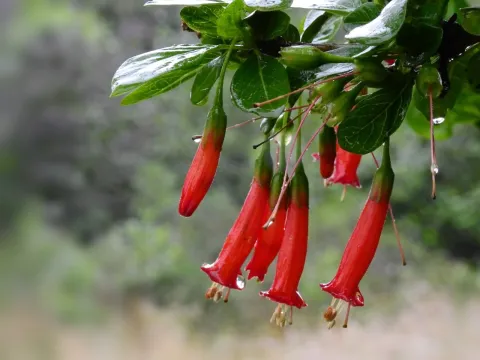
Iochroma fuchsioides
Iochroma fuchsioides
Iochroma fuchsioides is an evergreen flowering shrub belonging to the Solanaceae family. Known for its distinct tubular flowers, this species is highly valued in horticulture for its ornamental appeal and tropical appearance, requiring specific management strategies.
What the section contains
Iochroma fuchsioides
The plant originates from the mountainous regions of the Andes in Ecuador and Colombia. Because of this natural habitat, it thrives in environments that offer moderate temperatures and high atmospheric humidity, making it sensitive to extreme heat and dry conditions.
For optimal growth, Iochroma fuchsioides requires a nutrient-rich, well-draining potting medium. A mix containing peat, pine bark, and perlite is ideal for ensuring sufficient oxygen access to the roots while maintaining consistent moisture levels without waterlogging.
Light requirements are significant for this species to bloom profusely. While it tolerates partial shade, it performs best in bright, indirect sunlight. Protecting the foliage from intense midday sun prevents leaf scorch and promotes healthy chlorophyll production.
The climate requirements necessitate keeping the plant in temperatures between 18°C and 25°C during the growing season. It is not frost-tolerant, so winter protection in a greenhouse or bright indoor space is mandatory to prevent tissue damage from cold exposure.
Spider mites are the most common pest, especially in indoor environments with low humidity. Infestations can quickly lead to leaf yellowing and structural decline, requiring frequent monitoring and misting to keep populations under control.
Whiteflies can also severely damage the foliage by extracting sap from the undersides of leaves. Integrated pest management, including the use of sticky traps and insecticidal soaps, is highly recommended to maintain plant health throughout the season.
Fungal diseases, such as powdery mildew, often develop when air circulation is inadequate. Maintaining a consistent airflow around the shrub and avoiding overhead watering helps to reduce the incidence of fungal spores settling on the leaves.
Root rot is a critical threat often caused by overwatering during dormancy. Farmers and gardeners must ensure the soil is allowed to dry slightly between waterings, particularly during the winter period when light levels and growth rates decrease.
Nutrient deficiencies, specifically iron or magnesium chlorosis, can manifest as yellowing of leaf tissues. Applying a balanced liquid fertilizer at regular intervals supports vigorous growth and ensures the plant remains resilient against typical environmental stressors.