
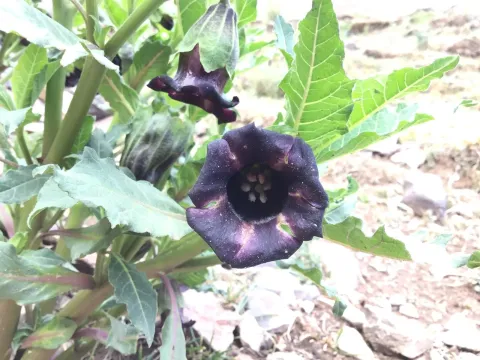
Anisodus
Anisodus
Anisodus is a genus of perennial herbaceous plants within the Solanaceae family, known for its specific physiological requirements for germination and establishment.
What the section contains


Anisodus
Seeds of Anisodus often require a period of cold stratification to break dormancy and ensure high germination rates, reflecting their native alpine origins.
Sowing should be performed in early spring once the threat of frost has passed and the soil has achieved a stable temperature suitable for rapid seedling development.
Seedlings are frequently started in greenhouses or controlled environments to provide optimal conditions before transplanting into the open field later in the season.
Correct spacing is critical for this species, as mature plants tend to develop expansive foliage that requires adequate space for airflow and nutrient uptake.
Originating from the mountainous regions of the Himalayas and China, Anisodus thrives in cool, temperate climates and demonstrates resilience against fluctuating temperatures.
The plant requires well-drained, fertile soil, ideally with a loamy texture, and is highly sensitive to waterlogged conditions which may trigger root decay.
While preferring full sun, Anisodus can benefit from light shade in regions with extremely hot summers to prevent dehydration and stress on the photosynthetic apparatus.
Regular irrigation is necessary throughout the growing cycle, particularly during the peak development phases, though it must be balanced to avoid moisture stagnation.
Soil nutrient management should focus on maintaining a steady supply of organic matter to support the robust growth habit of the plant during its vegetative stage.
Anisodus is prone to common solanaceous ailments, with root rot being the most significant threat caused by suboptimal drainage and excessive humidity in the soil profile.
Phytophthora and other related fungal pathogens can impact crop yield during excessively wet periods, requiring stringent monitoring and potential fungicide intervention.
In terms of pests, sap-sucking insects like aphids and spider mites are frequent invaders that can weaken the plant and serve as vectors for various plant viruses.
Management strategies should prioritize the maintenance of healthy, well-ventilated stands to reduce the habitat suitability for pests and fungal pathogen development.
Cleaning fields of crop residues at the end of the season is an essential agricultural practice to reduce the overwintering population of harmful organisms.