
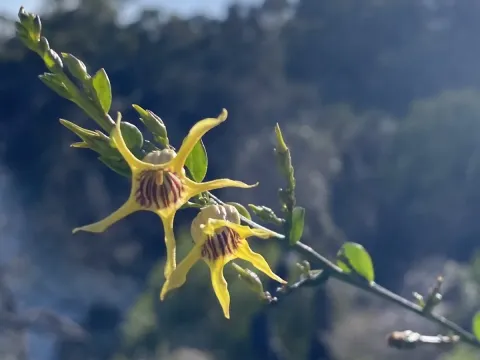
Anthocercis
Anthocercis
Anthocercis is a genus of evergreen shrubs belonging to the Solanaceae family. These plants are native to Australia, predominantly found in diverse habitats ranging from coastal dunes to open woodlands, where they have evolved to thrive in specialized ecological niches.
What the section contains


Anthocercis
The culture requires exceptionally well-draining soils to maintain its health. In agricultural practice, sandy or loamy soils with low water retention are preferred to mimic the natural Australian environment and prevent root rot, which is a major limiting factor for growth.
Sunlight exposure is a critical requirement for Anthocercis. The plants are highly photophilic and require full sun to partial shade to maintain their structural integrity and ensure abundant flowering. Insufficient light results in elongated, weak stems.
Regarding climate, these plants are adapted to Mediterranean-style weather patterns. They require mild temperatures and are not frost-tolerant. Protection from extreme weather and wind is necessary to preserve the delicate foliage of the shrubs.
Agricultural management is relatively low-intensity, focusing on maintaining soil porosity and monitoring for nutritional deficiencies. Regular pruning helps in maintaining a dense bush form and encourages new growth throughout the season.
Root rot caused by fungal pathogens such as Phytophthora is the primary threat to the stability of the plant. This is usually triggered by inadequate drainage and excessive irrigation, necessitating strict control over watering schedules.
Pests including aphids and spider mites are frequent visitors to Anthocercis, especially in greenhouse conditions. These pests feed on the nutrient-rich sap, weakening the plant and potentially spreading various mosaic-inducing viruses.
Viral infections constitute a serious agricultural threat that can lead to leaf yellowing and stunted development. Once infected, plants are difficult to treat, making insect vector control the most effective form of prevention.
Nematodes are another concern in intensive cultivation setups. Soil sterilization prior to planting is recommended to prevent infestation, as these organisms can cause significant damage to the root system and reduce overall yield potential.
Proper hygiene, such as removing fallen leaves and pruning infected branches, remains the standard best practice for mitigating the risk of disease spread within a group of plants.