
Coromandel mullein
Verbascum coromandelianum
Description
Growing requirements
Coromandel mullein (Verbascum coromandelianum) is a herbaceous plant belonging to the Scrophulariaceae family. Originating from South Asia, specifically the Indian subcontinent, this species thrives in warm, temperate climates where it can utilize direct sunlight for optimal growth and development.
The plant requires well-drained, fertile soil to prevent root rot, as the species is highly sensitive to waterlogged conditions. Sandy loam soils that maintain a neutral pH balance are considered ideal for cultivation. Proper soil aeration is essential for supporting the deep taproot characteristic of this plant.
Climate requirements include a stable temperature range suitable for its growth phase, typically avoiding extreme frost. The plant is adapted to regions with distinct dry seasons, showing resilience to moderate drought once the root system is established, provided the soil moisture is monitored during germination.
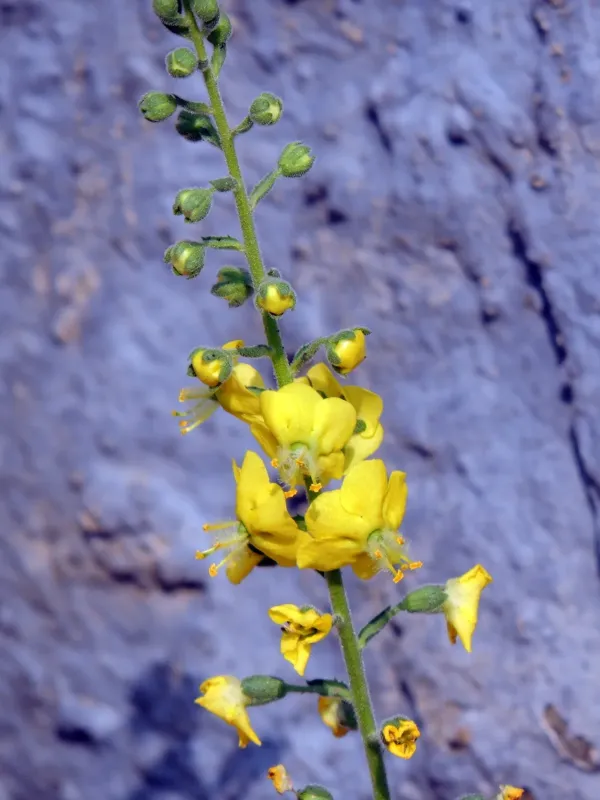
Botanically, Verbascum coromandelianum is characterized by its erect growth habit and distinct pubescence on its foliage. The flowers, typically yellow, are arranged in terminal spikes, serving as a vital resource for local pollinators, including various species of bees and hoverflies.
Commercially, the plant is primarily utilized in the pharmaceutical and herbal medicine sectors. The leaves and flowers contain bioactive compounds such as flavonoids and saponins, which are valued for their soothing and anti-inflammatory properties in traditional therapeutic applications.
Main diseases and pests
The primary threats to the cultivation of this species include fungal pathogens like powdery mildew, which thrive in high-humidity environments. Implementing adequate spacing between plants is a crucial agricultural strategy to improve air circulation and minimize the risk of infection.
Pest management is focused on controlling aphids and leaf miners, which can significantly reduce the biomass of the plant if left unchecked. Integrated pest management practices, including the encouragement of natural predators, are highly recommended to ensure the purity and quality of the medicinal harvest.