
Caesar's mullein
Verbascum caesareum
Description
Sowing dates
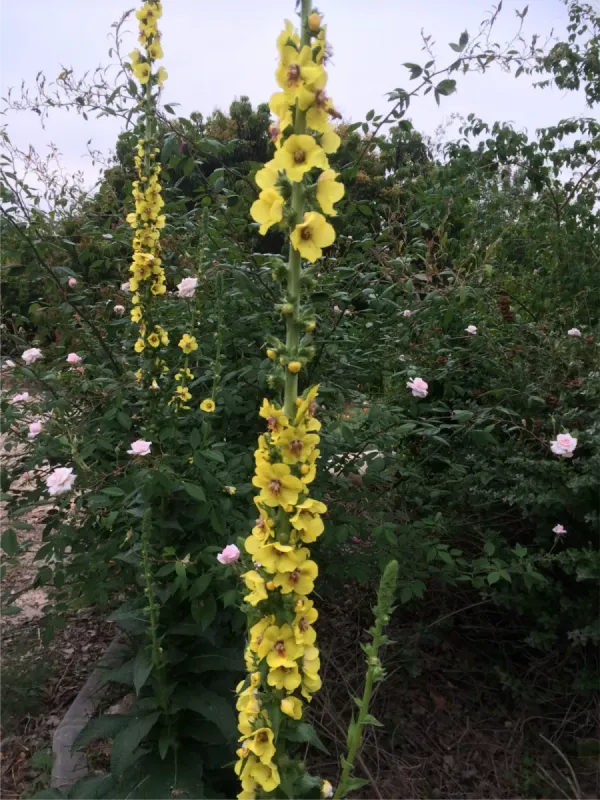
Caesar's mullein (Verbascum caesareum) is a biennial herb belonging to the Scrophulariaceae family. In its first year, it develops a basal rosette of leaves, while in the second year, it produces a tall, sturdy flowering spike.
Sowing should take place in the spring when soil temperatures reach 10-12 degrees Celsius. The seeds are extremely small and should be sown on the surface of the soil, pressed gently to ensure good contact.
For commercial agricultural purposes, greenhouse seedling production is recommended. Sowing in late winter or early spring allows for the development of robust plants before they are transplanted to the field.
Direct seeding requires careful moisture management during germination. If the surface dries out, the delicate seeds will fail to establish, necessitating light misting to keep the substrate consistently damp.
Optimal plant spacing is crucial for air circulation and light penetration, typically requiring about 40 to 50 centimeters between plants to prevent overcrowding and promote healthy growth.
Growing requirements
Caesar's mullein is a light-demanding crop that requires full sun exposure to thrive. Insufficient light results in elongated, weak stems and significantly reduced quality of the harvested material.
The crop prefers well-drained, lime-rich, or neutral soils. It is highly sensitive to waterlogged conditions, which can lead to root system failure and overall plant death during the growing cycle.
The plant exhibits remarkable drought tolerance, which is facilitated by the dense pubescence (fine hairs) on its leaves. This evolutionary adaptation helps to minimize transpiration in arid environments.
Temperature resilience is a key feature of the species. While it is hardy in many climates, protecting the basal rosette with light organic mulch during harsh winter months can improve survival rates.
Avoid heavy nitrogen fertilization, as this encourages excessive vegetative growth that may compromise the plant's ability to survive winter or produce high-quality floral spikes in the second year.
Main diseases and pests
Leaf-eating insects, such as cutworm larvae, represent the primary threat to young rosettes. Growers should monitor fields regularly to catch infestations before they cause significant defoliation.
Powdery mildew is a common concern in humid conditions or areas with poor air circulation. This fungal disease appears as a white coating on the leaves and can severely impact photosynthetic efficiency.
Root rot, triggered by stagnant water, is the most common pathology. Proper drainage and site selection are essential preventive measures to ensure the health of the crop throughout its biennial cycle.
Aphids often target the developing flower buds, draining sap and causing stunted or deformed floral growth. Integrated pest management, including beneficial insects, is often preferred over chemical control.
Effective crop rotation is the best defense against soil-borne pathogens. Rotating fields every 3-4 years prevents the accumulation of specific pests and diseases associated with the Scrophulariaceae family.