
Dark mullein
Verbascum nigrum
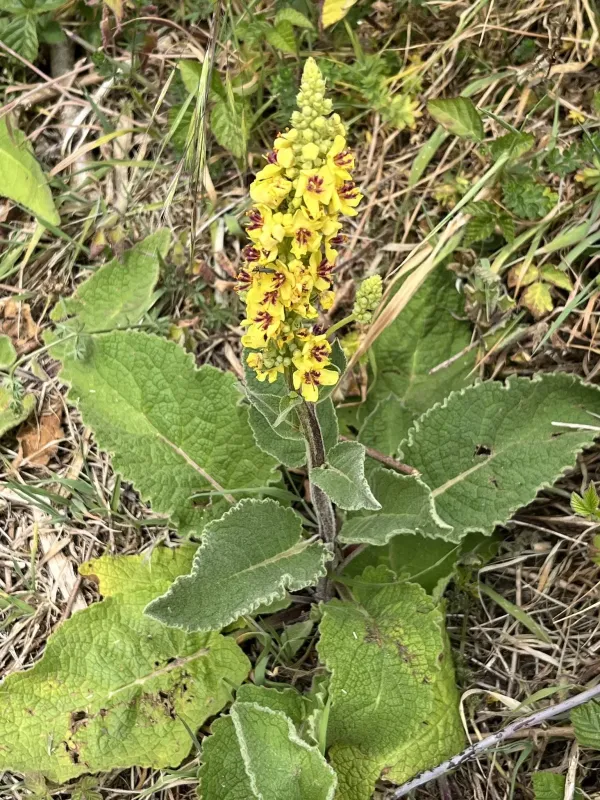
Description
Sowing dates
Sowing of dark mullein is typically performed in the spring when soil temperatures stabilize at 10 to 12 degrees Celsius.
The seeds are exceptionally small, requiring a shallow placement of approximately 0.5 centimeters to ensure successful germination.
Autumn sowing is also a viable option, allowing the seeds to undergo natural winter stratification for better spring emergence.
Using a transplant method is recommended for large-scale operations to ensure optimal spacing and stand density across the field.
Proper field preparation involves fine soil tilth, which prevents the tiny seeds from being buried too deeply during rain or irrigation.
Growing requirements
Dark mullein belongs to the Scrophulariaceae family and is a robust perennial herb known for its adaptability to various environments.
The plant thrives in full sun exposure, requiring well-drained, fertile soil to produce the best quality foliage and flowers.
It displays remarkable drought tolerance once established, making it suitable for regions with variable rainfall patterns.
Soil pH should ideally be neutral to slightly alkaline for optimal nutrient uptake and overall plant vigor.
Maintenance involves routine weeding, especially in the first year before the plant develops its full-sized basal rosette.
Yield
The primary economic output consists of harvested flowers, which are prized for their medicinal properties and essential oils.
Yield efficiency is directly linked to the health of the basal rosette and the timely application of organic fertilizers.
Selective harvesting is necessary since the flowers open sequentially on the spikes, requiring multiple passes through the crop.
Professional processing facilities ensure that the dried product retains its characteristic color and chemical potency.
Consistent harvest management can result in a highly profitable crop for specialized herbal production markets.
Main diseases and pests
Dark mullein is generally hardy, though it may be susceptible to mildew in areas with poor airflow and high humidity.
Pest management focuses on monitoring for leaf-eating insects that can compromise the structural integrity of the plant.
Cultural practices such as wide spacing help mitigate the risk of fungal outbreaks and ensure plants remain vigorous.
Avoiding overhead irrigation during the flowering stage helps prevent discoloration of the delicate flower petals.
Biosecurity measures and regular scouting are essential to maintain high-quality stands free from common agricultural pathogens.
Harvesting
Harvesting usually occurs throughout the summer months, specifically targeting fresh flowers every few days.
Flowers should be picked early in the morning once dew has evaporated to ensure the highest quality of the harvested material.
Drying must occur immediately in a temperature-controlled environment to prevent enzymatic degradation of active compounds.
Properly cured flowers should have a distinct, pleasant aroma and retain their vibrant yellow pigmentation when dried correctly.
Storage in cool, dark, and airtight conditions is critical to preserving the medicinal value of the crop for distribution.