
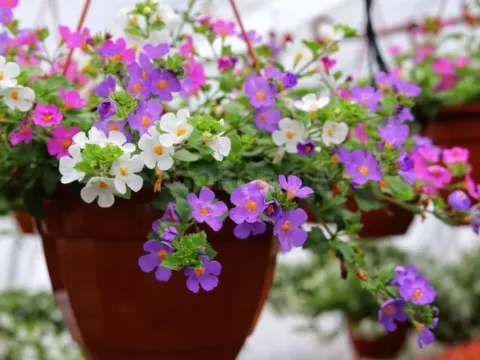
Chaenostoma
Chaenostoma
Sowing Chaenostoma seeds is best done in late February or March. Since the seeds are extremely small, they should be sown on the surface of moistened growing medium without covering them, as they require light to germinate effectively.
What the section contains

Chaenostoma
The germination period requires a stable temperature of 20–22 degrees Celsius and consistent lighting. It is essential to cover the container with plastic or glass to maintain humidity, while airing it daily to prevent damping-off caused by fungal growth.
Seedlings are ready for transplanting once they develop their first set of true leaves. During this phase, it is crucial to avoid overwatering, as the young, delicate root system is highly susceptible to rot in waterlogged conditions.
Transplanting to outdoor locations or hanging baskets should only occur after the risk of spring frost has completely passed. The plant thrives in warm conditions, which significantly accelerates its vegetative growth.
Pruning the growing tips during the early stages of development is highly recommended to encourage bushier growth and a more prolific display of flowers throughout the growing season.
Chaenostoma is a sun-loving plant belonging to the Scrophulariaceae family, requiring bright, direct light for optimal blooming. While it can tolerate partial shade, the quantity and density of the flowers will be significantly reduced.
The ideal soil for this crop is loose, nutrient-rich, and well-draining. Poor drainage is the most common cause of failure, so incorporating perlite or ensuring adequate drainage holes in containers is essential for success.
Watering must be regular and balanced; the soil should remain consistently moist but never waterlogged. During hot summer days, the plant may require more frequent watering to keep up with high evapotranspiration rates.
To support continuous flowering, the application of balanced liquid fertilizers every two weeks is recommended. Nutrients should be rich in phosphorus and potassium to maintain the plant's health and vibrant color.
Trimming the plants periodically helps maintain their aesthetic shape and encourages the development of new flowering shoots, keeping the plants looking fresh and vigorous until the end of the season.
Fungal diseases, specifically root rot and various leaf spot conditions, pose the greatest threat to Chaenostoma, particularly when environmental conditions are too humid or when airflow is restricted.
Pests such as aphids, spider mites, and whiteflies can infest the plants, especially if they are stressed by improper watering or poor air circulation. Regular inspection of the foliage is necessary to detect infestations early.
To prevent disease outbreaks, ensuring sufficient spacing between plants is crucial. Good air circulation prevents the accumulation of moisture on the leaves, which is a breeding ground for many pathogenic fungi.
If pest control becomes necessary, the use of systemic insecticides labeled for ornamental use is recommended. Always apply these products according to the manufacturer's instructions to ensure safety and effectiveness.
- Monitor soil moisture levels daily.
- Remove dead or damaged foliage promptly.
- Ensure adequate light levels for robust growth.