
Capraria
Capraria
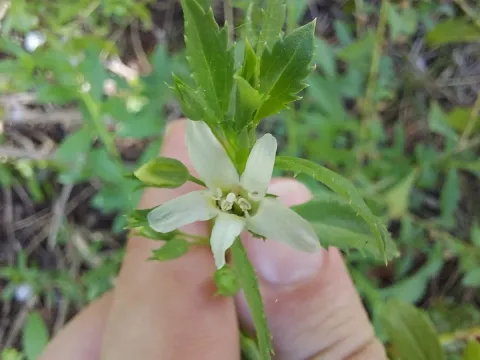
Capraria, most notably Capraria biflora, is a perennial shrub belonging to the Scrophulariaceae family. Its natural habitat is concentrated in tropical and subtropical regions of the Americas, where it is known for its resilience and ability to thrive in poor soils.
What the section contains
Capraria
This crop requires full sun exposure and well-drained sandy or loamy soil to achieve optimal growth rates. It is highly heat-tolerant, making it an excellent candidate for cultivation in arid climates where water management is optimized.
The thermal requirements for Capraria are strict regarding frost; it is an obligate warm-season plant. Growth is most vigorous at temperatures ranging from 25°C to 30°C, and exposure to frost will typically lead to plant mortality.
Agronomic management involves regular weed control and maintaining soil aeration. Since it is a drought-tolerant species, irrigation should be carefully scheduled to avoid waterlogging, which the plant does not tolerate well.
In terms of usage, the plant is primarily cultivated for its pharmacological properties. Research into its chemical composition has identified it as a source of diverse bioactive compounds used in traditional medicine and modern herbal product formulation.
The most significant threats to Capraria production include root-rotting pathogens that thrive in saturated soil environments. Implementing a well-structured irrigation system is essential to prevent these soil-borne fungal issues.
Pest populations such as aphids and whiteflies can cause damage to tender foliage during the dry season. Regular monitoring and the use of insecticidal soaps or biological controls are highly effective in managing these outbreaks.
Fungal leaf diseases may occur in areas with high relative humidity and poor air circulation. Providing adequate spacing between plants allows for improved airflow, which significantly reduces the incidence of such diseases.
Damage from chewing insects can impact the leaf quality, which is critical for biomass production. Early detection and targeted integrated pest management (IPM) strategies ensure crop health throughout the growing season.
Nutrient deficiencies, particularly nitrogen and potassium, can manifest as stunted growth and increased susceptibility to opportunistic pests. Maintaining proper soil fertility based on seasonal analysis is fundamental to yield stability.