
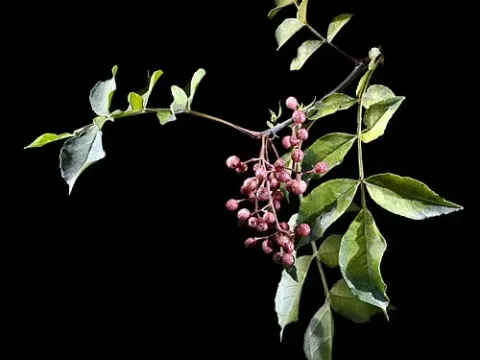
Zanthoxylum buesgenii
Zanthoxylum buesgenii
Zanthoxylum buesgenii is a rare woody plant species belonging to the Rutaceae family. Native to the tropical forests of Cameroon, this species remains a subject of intense botanical interest due to its specific ecological niche.
What the section contains
Zanthoxylum buesgenii
The cultivation of this species requires conditions closely mimicking its natural equatorial habitat. It thrives in environments with high humidity and stable warm temperatures, which are essential for the metabolic processes of this plant.
Soil requirements involve a preference for well-drained, nutrient-rich substrates that mirror the organic composition of a forest floor. Proper drainage is the most critical factor to prevent root-related issues during the growth phase.
The plant requires filtered light, as it is naturally adapted to the understory conditions of dense tropical forests. Excessive direct sunlight can lead to leaf burn and reduced growth vigor in young specimens.
Agronomic management is primarily focused on preserving the plant's health through precise moisture control and providing a stable environment. Research into its chemical composition often highlights the presence of alkaloids and aromatic oils characteristic of the genus.
The primary threat to the survival of Zanthoxylum buesgenii is the degradation of its natural habitat. Deforestation in the Central African region significantly reduces the available range for this species.
Pathological threats include fungal infections, particularly those affecting the roots when soil aeration is insufficient. These pathogens are exacerbated by high humidity coupled with poor drainage.
Insect pests, including various xylophagous species and leaf-feeding larvae, pose a constant threat to the structural integrity of the plant, especially in young saplings.
Disease management requires a proactive approach, emphasizing hygiene in the growing environment and the prompt removal of infected plant tissue to stop the spread of fungal spores.
Integrated pest management strategies are recommended to maintain the health of these trees without relying on harsh chemicals that could disturb the sensitive balance of the plants' ecosystem.