
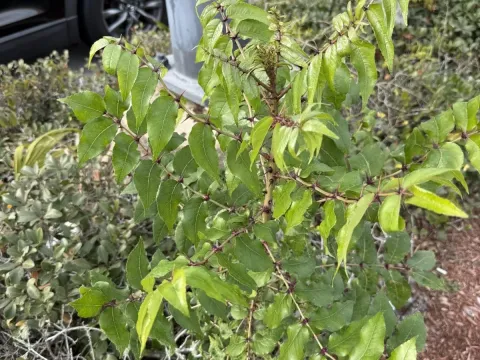
Zanthoxylum
Zanthoxylum
Sowing Zanthoxylum seeds is recommended in autumn immediately after harvesting or following a 2–3 month cold stratification period. This process is essential to overcome deep seed dormancy and significantly improve germination rates.
What the section contains


Zanthoxylum
On an industrial scale, seeds are sown in prepared nurseries or containers filled with a light, well-draining substrate. The sowing depth should generally not exceed 1–2 centimeters to ensure adequate oxygen access for the developing embryos.
For spring sowing in open fields, it is critical to wait until the soil temperature reaches at least 12–15 degrees Celsius. Maintaining consistent soil moisture throughout the germination period is vital, as drying out is detrimental to young seedlings.
The optimal planting density requires spacing between rows of 2.5 to 3 meters. This distance provides sufficient nutrient areas for each plant and ensures ample space for mechanical maintenance and harvesting equipment.
Transplanting seedlings to their permanent plantation site is typically performed in the second year when the root system is sufficiently developed. Site selection must prioritize adequate light exposure, as this species is highly demanding in terms of solar energy.
Zanthoxylum belongs to the Rutaceae family and consists of deciduous shrubs or small trees valued for their fruit, widely known as Sichuan pepper. These plants are characterized by thorns, a factor that must be considered when designing orchard layouts.
Successful cultivation requires fertile, well-aerated loamy soils with a neutral to slightly acidic pH. The crop is sensitive to waterlogging, making proper drainage systems mandatory when planting in heavier clay soils.
Climate preferences vary by species, but most commercial varieties favor temperate climates with sufficient precipitation. While mature trees exhibit moderate frost resistance, young shoots can be damaged by sudden spring frosts.
Maintenance includes regular fertilization with complex mineral additives during the active growth season. Nitrogen fertilizers are applied in early spring to stimulate vegetation, while phosphorus and potassium are added later in summer to prepare for winter dormancy.
Formative pruning is a critical agrotechnical task used to control tree height and ensure light reaches the inner canopy. This practice reduces the risk of fungal infections and facilitates uniform fruit ripening.
Commercial harvest typically begins when the trees reach 3–5 years of age. Under optimal management and annual sanitary pruning, the trees can maintain productive yields for several decades.
The fruit consists of small spherical capsules that split open upon maturity, revealing shiny dark seeds. The industrial value lies in the fruit husks, which contain high concentrations of essential oils responsible for the plant's unique flavor profile.
Yield depends on tree age, planting density, and weather conditions during the flowering period. On average, a mature tree can produce several kilograms of dried husks, depending on the intensity of the irrigation and fertilization regime.
Fruit ripening is often asynchronous, necessitating selective harvesting as the capsules begin to open. This process is labor-intensive and often requires significant manual effort or the use of specialized mechanical shakers.
Post-harvest, fruits must be dried immediately to prevent mold growth and preserve volatile aromatic compounds. Drying is carried out in shaded, well-ventilated areas or in temperature-controlled drying chambers.
The main pests affecting Zanthoxylum include various species of aphids and scale insects that damage young leaves and shoots. Preventive care includes maintaining overall plant health and timely application of insecticides during the growing season.
Fungal diseases, such as leaf spot or root rot, typically occur when moisture levels are poorly managed. It is important to avoid over-irrigation and maintain good airflow between rows to reduce humidity around the foliage.
Spider mites can pose a significant threat during hot, dry summers. Regular inspection of the undersides of leaves allows for early detection and localized intervention to prevent widespread infestation.
Viral infections are less common but present a major risk as they are currently incurable. The standard management protocol involves the immediate removal and incineration of infected plants to protect the rest of the plantation.
General hygiene, such as disinfecting pruning tools after each use, is essential to prevent the spread of pathogens. Using certified planting material and strictly following crop rotation cycles minimizes the risk of total yield loss.
Harvesting begins in late summer or early autumn when the fruit develops its characteristic red or pink hue. It is critical to harvest before the capsules fully shatter, as this is when the concentration of flavoring oils is at its peak.
Harvesting is primarily a manual task due to the thorns on the branches, requiring workers to wear protective gear. In larger operations, branch-shaking techniques are used, with cloths placed beneath the canopy to catch the falling fruit.
The collected harvest must be cleaned of debris, twigs, and leaves immediately after collection. Raw material purity directly impacts the market value and quality of the final culinary product.
After cleaning, the fruit is placed for drying, a process that can take anywhere from a few days to a week. Properly dried husks should be brittle and easily separable from the seeds, which are usually discarded as they lack the desired culinary properties.
Finished raw materials should be stored in airtight containers in a cool, dark, and dry place. Adhering to these storage guidelines ensures the retention of the spice's organoleptic properties for over a year.