
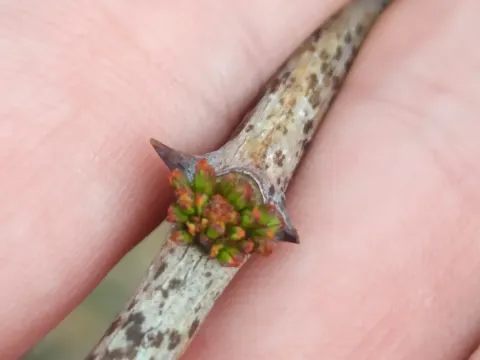
Zanthoxylum americanum
Zanthoxylum americanum
Propagation of Zanthoxylum americanum is primarily achieved through seeds. Seeds require a mandatory stratification period of 60 to 90 days at cool temperatures to overcome embryo dormancy and ensure successful germination.
What the section contains
Zanthoxylum americanum
Sowing can be performed in late autumn or early spring after the stratification process. Autumn sowing is often preferred in temperate climates as the seeds undergo natural stratification directly in the soil, which frequently leads to higher germination rates.
Vegetative propagation via root suckers is also effective. The plant naturally produces shoots from its extensive root system, which can be carefully separated and transplanted in the spring to establish new patches of the shrub.
Young seedlings exhibit a relatively slow growth rate during the first few years. Providing them with adequate protection from extreme sun and maintaining consistent soil moisture is crucial for successful establishment during the initial phase.
The spacing for planting should be based on the intended use, such as windbreaks or ornamental hedges. A distance of 1.5 to 2 meters between individual plants allows for sufficient root spread and proper air circulation within the shrub canopy.
Zanthoxylum americanum, a member of the Rutaceae family, is a deciduous shrub native to North America. It is typically found in woodland edges, riverbanks, and moist thickets, thriving in diverse habitats within its range.
The plant demonstrates significant cold hardiness and can thrive in temperate regions with harsh winters. It prefers fertile, well-drained loamy soils with a pH ranging from neutral to slightly acidic for optimal growth.
This species is heliophilic, though it can tolerate partial shade during its juvenile stages. Sufficient sunlight exposure is necessary to maximize the production of essential oils in the fruit and maintain a dense, healthy shrub structure.
Water requirements are moderate. While the plant does not tolerate waterlogged soil, which can lead to root decay, it is sensitive to prolonged drought, especially during its active growing season in late spring and summer.
Effective agronomic management includes the annual application of organic fertilizer around the root zone. Regular mulching is recommended to stabilize soil temperature, retain moisture, and suppress weeds that may compete for nutrients.
The economic value of Zanthoxylum americanum lies in its fruits and bark, which are highly aromatic. The fruits are traditionally harvested for use as a spice, often referred to as toothache pepper or northern prickly ash.
The bark and roots have a long history of traditional medicinal use due to the presence of alkaloids that provide analgesic properties, particularly in treating toothaches and gum ailments, hence the plant's common name.
Yield potential depends on the plant's age and environmental factors. Fruit production typically commences when the shrub reaches 4–6 years of age, with consistent commercial yields achieved from the 8th year onwards.
Average yields vary based on seasonal conditions and the intensity of cultivation. The fruit is hand-picked upon reaching full maturity, indicated by the splitting of the seed capsules and the development of a reddish-brown color.
Post-harvest, the fruits must be dried immediately in a well-ventilated area or specialized dehydration equipment. Maintaining low temperatures during drying is critical to prevent the loss of volatile aromatic oils.
Zanthoxylum americanum possesses natural defense mechanisms, primarily the sharp thorns covering its branches, which deter larger herbivores and reduce the risk of mechanical damage to the shrub in open areas.
Pest pressures are generally manageable but include sucking insects such as aphids and scale insects. These pests can weaken the plant by feeding on tender foliage and potentially facilitating fungal infections through honeydew secretion.
Fungal diseases like leaf spot and powdery mildew can occur if the shrub is grown in environments with high humidity and poor airflow. Regular pruning to thin the canopy helps mitigate these risks significantly.
Root rot is a major threat if the plant is grown in heavy, poorly drained soil. Careful selection of site and ensuring excellent soil drainage are the most effective strategies for preventing underground decay.
Integrated pest management (IPM) practices, including the use of biological controls and maintaining general plant hygiene, are recommended to minimize the need for chemical intervention and keep the shrubs healthy.
The harvesting season typically falls between late summer and early autumn. The ideal time to collect the fruit is when the outer husks begin to open, signaling that the aromatic seeds are fully developed.
Due to the presence of dense, sharp prickles on the stems, harvesters must wear heavy-duty gloves and use appropriate pruning equipment to avoid injury while gathering the fruit or branches.
Bark intended for medicinal purposes is best collected in the spring when the sap is flowing, allowing it to be stripped from branches more easily. It is vital to harvest only from side branches to avoid damaging the main trunk.
Once harvested, raw materials must be cleaned of debris and dried in a way that avoids excess heat. Excessive heat will rapidly diminish the quality of the essential oils, which are the plant's primary commodity.
Dried product should be stored in airtight containers in a cool, dark location. Under proper conditions, the aromatic properties of the harvested fruits can be preserved for up to two years without significant degradation.