
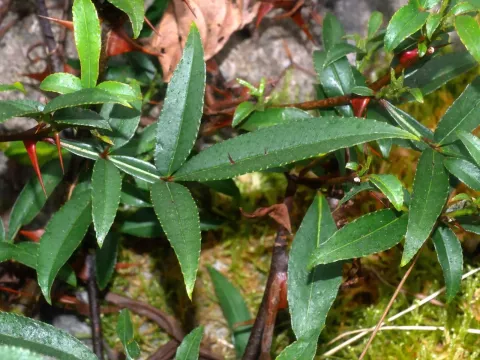
Zanthoxylum acanthopodium
Zanthoxylum acanthopodium
Propagation of Zanthoxylum acanthopodium is primarily achieved through seeds, which require stratification to improve germination rates. The optimal sowing time is early spring, once the threat of night frost has completely passed.
What the section contains
Zanthoxylum acanthopodium
Seeds are sown in a nutrient-rich, well-drained substrate at a depth of 1-2 centimeters. It is crucial to maintain consistent soil moisture, avoiding waterlogging, which can lead to root rot during the early stages of development.
For vegetative propagation, cuttings are taken and grown in a protected environment. This method ensures that the desirable characteristics of the mother plant are preserved, which is essential for commercial fruit production.
Transplanting young plants to their permanent location in the field occurs during the active growth phase, once the plants are sufficiently adapted. Proper spacing is necessary to ensure adequate airflow and prevent overcrowding.
As a member of the Rutaceae family, this species grows as a multi-year shrub or a small tree. When planning an orchard, the dense crown formation must be taken into account to allow for sufficient space between individual plants.
The plant thrives in well-lit locations protected from strong winds that might damage young shoots. While it requires plenty of direct sunlight for optimal growth, some partial shade during the peak heat of the day is acceptable in southern regions.
Ideal soil for cultivation should be light, rich in organic matter, and have a neutral to slightly acidic pH level. High soil aeration is mandatory, as the plant does not tolerate dense or clay-heavy substrates that prevent root respiration.
Consistent watering is required, especially during dry spells, though overwatering must be strictly avoided. The application of mulch around the root zone helps retain moisture and prevents the soil from overheating during the summer months.
Regular fertilization with balanced mineral nutrients is necessary throughout the growing season. Nitrogen-rich fertilizers should be applied in early spring, while phosphorus and potassium are preferred later in the season to prepare the plant for dormancy.
A moderate temperature range is ideal for this species. Zanthoxylum acanthopodium exhibits moderate frost tolerance, but in regions with harsh winters, protective covers or container cultivation are recommended to ensure survival.
The primary harvest consists of the fruits and seeds, which are prized for their unique aroma and pungent, spicy flavor. Yield levels depend on the age of the plant, the quality of site management, and the overall health of the orchard.
The first fruits typically appear when the plant reaches 3 to 4 years of age. Productivity increases as the plant matures, peaking when proper pruning and fertilization schedules are followed by the grower.
Harvesting takes place as the fruits ripen and develop their characteristic color and aromatic profile. Avoiding over-ripeness is critical, as it leads to a significant decrease in the essential oil content, which is the plant's main economic value.
Post-harvest, the product must be dried efficiently using natural air or low-temperature industrial dryers. This careful processing ensures that the bioactive components and aromatic compounds are preserved for the market.
Regular crown shaping and pruning are essential to facilitate easier harvesting and improve fruit quality by ensuring that sunlight reaches the inner parts of the canopy, thus promoting uniform ripening.
Zanthoxylum acanthopodium can be susceptible to common pests of the Rutaceae family, including scale insects and aphids. These pests feed on the sap of young leaves and shoots, weakening the plant's immune system and stunting its growth.
Fungal diseases, such as powdery mildew, often develop in conditions of high humidity combined with poor airflow within the foliage. Prevention involves regular pruning to keep the crown open and dry.
Root rot is a major threat caused by improper watering practices or heavy, undrained soil. If detected early, the situation can be managed by adjusting the irrigation schedule and applying appropriate systemic fungicides.
Spider mites may become an issue in hot, dry microclimates, leading to premature leaf drop. Control measures include the use of acaricides and increasing the humidity levels around the plants during peak summer heat.
Regular site monitoring is essential for early detection of potential outbreaks. By identifying issues early, growers can manage threats with minimal chemical intervention, keeping the orchard healthy and productive.
The harvest is typically performed manually using specialized pruning shears or clippers. Because the plant features sharp thorns on its stems, the use of thick protective gloves is mandatory for the safety of the field workers.
The ideal time for harvesting is during dry weather conditions, which minimizes the risk of mold formation during the subsequent drying phase. Early morning is the best time for harvesting to preserve the maximum volume of volatile oils.
Once harvested, the fruits must be cleaned of debris and stems promptly. The speed and care with which this primary processing is handled have a direct impact on the quality and marketability of the final spice product.
Dried spices should be stored in airtight containers in a cool, dark, and dry place. This prevents the degradation of aromatic compounds caused by light exposure or moisture absorption, ensuring long-term shelf stability.
In commercial operations, mechanical sorting by size and maturity level is often employed. This standardizes the final product, ensuring it meets the specific requirements of food processors and spice exporters.