
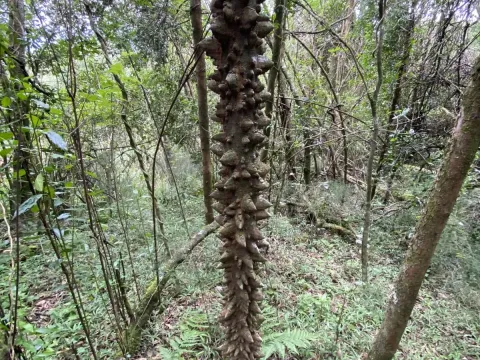
Zanthoxylum davyi
Zanthoxylum davyi
Propagation of Zanthoxylum davyi is typically achieved through seeds or stem cuttings. Seed germination requires stratification to break dormancy and ensure uniform seedling emergence.
What the section contains
Zanthoxylum davyi
The sowing process begins in early spring within controlled greenhouse environments. A well-draining, slightly acidic peat-based medium provides the best results for young plants.
Cuttings should be taken from semi-hardwood stems during the summer months. Treating the base with rooting hormones significantly improves the success rate of establishment.
Seedlings and rooted cuttings require consistent moisture during the initial phase. Once established, they can be transitioned to larger containers or permanent outdoor beds.
Spacing is a critical factor for long-term health; the tree eventually develops a substantial canopy, so planning for future growth is essential during the planting stage.
Belonging to the Rutaceae family, this species thrives in full sun exposure. Adequate light is necessary for the development of its characteristic aromatic foliage and wood.
Soil requirements focus on fertility and drainage. The plant is intolerant of waterlogged conditions, which can lead to root rot and other physiological disorders.
Climate preferences lean toward temperate or subtropical regions. While it can handle mild frost, young specimens should be protected from harsh winter conditions.
Agricultural management involves routine pruning to maintain structure and access. Because the species is heavily armed with thorns, protective gear is necessary during maintenance.
Nutrient management is essential, with nitrogen-rich fertilizers applied during the growing season to support lush canopy development and wood health.
The economic value of Zanthoxylum davyi often relates to its timber and aromatic properties. Yield in this context refers to the sustainable production of biomass.
Harvesting for essential oils or medicinal purposes requires careful timing to ensure peak concentration of active compounds within the plant tissues.
Sustainable yield management involves periodic thinning of the plantation to encourage dominant trees to reach their maximum growth potential over several years.
Factors affecting yield include soil quality, irrigation efficiency, and the absence of competition from invasive weeds during the early developmental stages.
Productivity is significantly increased through integrated pest management strategies that protect the tree's health from the seedling stage through to maturity.
The primary biological threats include sap-sucking insects like spider mites and scale, which can cause significant damage to the leaf structure and tree vigor.
Fungal pathogens represent a risk, particularly in high-humidity environments where poor ventilation leads to disease outbreaks on leaves and stems.
Managing these threats involves regular monitoring of the orchard. Early detection of infestation allows for targeted interventions, reducing the need for broad-spectrum chemicals.
Cultural practices such as removing leaf litter and ensuring proper spacing between plants help to disrupt the life cycles of common pests and pathogens.
Maintaining the structural integrity of the tree is vital, as any physical injury to the bark can invite pests and wood-rotting fungi to colonize the plant.