
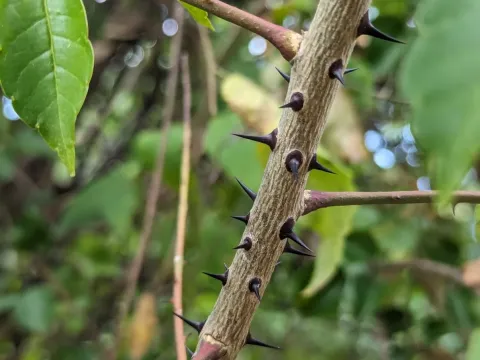
Zanthoxylum caribaeum
Zanthoxylum caribaeum
Zanthoxylum caribaeum is a member of the Rutaceae family, recognized for its complex chemical composition and aromatic characteristics. As a woody plant, it typically develops into a sturdy tree, often found in tropical environments where it plays a vital role in local ecosystems.
What the section contains
Zanthoxylum caribaeum
Originating from the Caribbean and parts of Central and South America, this species thrives in tropical climates. It is well-adapted to environments that experience distinct wet and dry seasons, demonstrating resilience to heat and high irradiance levels.
The cultivation of this species requires well-drained soils, ideally of a loamy texture. It is sensitive to waterlogged conditions, which can inhibit root health and growth. Maintaining an optimal soil structure is essential for long-term tree vitality and productivity.
In terms of agricultural management, the species prefers full sun exposure to maximize growth rates. Proper spacing is necessary to ensure adequate air circulation and light penetration throughout the canopy, which also helps in reducing the impact of high-humidity conditions.
The timber obtained from this tree is highly regarded for its durability and resistance to biological decay, making it a valuable resource for carpentry. Furthermore, various parts of the plant are utilized in traditional medicinal applications for their pharmacological properties.
Common pests include scale insects and various leaf-feeding caterpillars that can significantly reduce the photosynthetic area of the tree. Implementing integrated pest management strategies is essential for preserving the health of the plantation.
Fungal diseases, including various types of leaf blight, often occur during periods of high precipitation. Providing sufficient spacing between trees and clearing debris around the trunk helps minimize the spread of spores.
Wood-boring beetles present a major threat to the commercial value of the timber. Regular monitoring of the bark for entry holes is a necessary practice to detect infestations early and prevent extensive damage to the tree trunk.
Root rot is typically associated with poor drainage conditions and over-irrigation. Ensuring the landscape design promotes efficient water runoff is the most effective preventative measure for this type of problem.
Viruses and bacterial infections may affect tree vigor, often spread by sucking insects. Control of the insect vector population is the primary approach for mitigating the transmission of diseases within a nursery or plantation setting.