
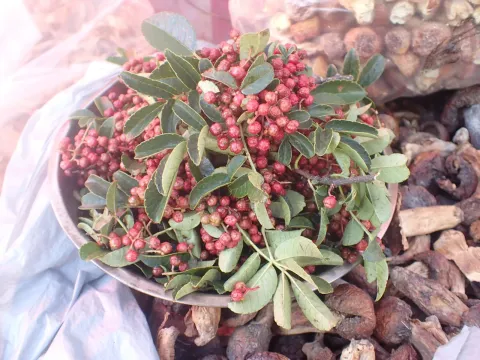
Zanthoxylum bungeanum
Zanthoxylum bungeanum
Propagation of Zanthoxylum bungeanum is most commonly achieved through seeds or vegetative methods, such as root cuttings or layering. Seeds require a cold stratification period of 60-90 days at low positive temperatures to ensure high germination rates.
What the section contains
Zanthoxylum bungeanum
Sowing in open ground or nursery containers is typically conducted in early spring once the soil temperature reaches 10-12 degrees Celsius. The optimal planting depth for seeds is 1-2 centimeters in a loose, well-draining substrate.
For vegetative propagation, cuttings are taken from semi-hardwood shoots in early summer. They should be planted in greenhouses with high humidity, utilizing rooting hormones to enhance the establishment of young seedlings.
Transplanting seedlings to their permanent location in the garden is recommended in autumn or the following spring. It is vital to maintain a spacing of 3 to 4 meters between rows, as the plant develops a wide and spreading crown as it matures.
When selecting a planting site, prioritize well-lit areas that are shielded from strong, cold winds, which could potentially damage young shoots and hinder the overall growth and development of the shrub.
Zanthoxylum bungeanum, a member of the Rutaceae family, is a deciduous shrub native to Northern China. The crop is valued for its high adaptability to temperate climates, though it requires a sufficiently long growing season for consistent fruit production.
The plant thrives in loamy or sandy soils with a neutral to slightly alkaline pH level. Ensuring proper drainage is crucial, as waterlogging in the root zone is detrimental to the health and development of the root system.
This species exhibits good frost resistance, surviving temperatures down to -20 degrees Celsius, which makes it suitable for cultivation in regions with moderately cold winters. However, young plants require protection during their first two years after planting.
Regular irrigation is essential during the active growth and flowering stages, especially during dry summer months. Adult specimens are reasonably drought-tolerant, but water scarcity significantly negatively impacts the aromatic profile of the berries.
The agronomic management includes annual pruning, which is best performed in late winter. Removing old and damaged branches helps rejuvenate the shrub, improves crown light penetration, and enhances the overall quality of the Sichuan pepper harvest.
Active fruit production of Zanthoxylum bungeanum typically begins in the 3rd to 4th year of the plant's life. Yields gradually increase, reaching peak production between the ages of 7 and 12, ensuring a reliable supply of aromatic berries.
The average yield of dried berries from a single mature shrub can range from 1 to 3 kilograms, depending on growing conditions and the level of agronomic care provided. Proper management techniques allow for a consistent annual harvest.
Intensive plantation cultivation requires regular applications of complex mineral fertilizers, rich in phosphorus and potassium, which directly influence the intensity of flowering and the subsequent fruit set.
Commercial utilization of this crop is primarily focused on the production of the spice known as Sichuan pepper. Only the pericarp (the outer husk) is used, as it contains the unique citrus aroma and provides the characteristic numbing sensation.
Beyond culinary use, Zanthoxylum extracts and essential oils are widely used in the pharmaceutical industry and the manufacturing of cosmetic products due to their diverse range of biologically active compounds.
Zanthoxylum bungeanum is susceptible to several specific diseases, with fungal infections such as root rot and anthracnose being the most dangerous. These issues typically emerge in waterlogged areas that lack adequate soil drainage.
Regarding pests, aphids and various species of spider mites can cause significant damage to the plant. These pests feed on the sap of young leaves and shoots, leading to deformation and a noticeable decline in the shrub's overall immune system.
Pest control strategies involve the use of contact and systemic insecticides. Preventive applications of fungicides in early spring help to significantly reduce the risk of fungal infections developing throughout the growing season.
It is essential to conduct regular monitoring of the foliage for early signs of pest infestation. Detecting insect colonies early allows for targeted intervention, preventing large-scale spread and minimizing the need for heavy chemical use.
Adhering to crop rotation practices, maintaining proper planting distances, and keeping the base of the shrubs free of weeds are fundamental methods for disease management that minimize the reliance on chemical pesticides.
Harvesting Zanthoxylum bungeanum berries is conducted at the stage of full biological maturity, when the pericarp turns a vibrant red or dark pink color, and the seeds inside become glossy and black.
The harvest season usually falls in late August or September. It is critical to harvest at the right time, as over-ripened pods will split open and shed their seeds to the ground, resulting in significant crop losses.
Harvesting is performed by hand because the berries are small and grow on branches covered with sharp thorns. Workers are strongly advised to wear protective gloves to prevent mechanical injuries to the skin while handling the shrubs.
The collected berries should be dried immediately in the shade or in specialized dryers at moderate temperatures. Proper drying is essential to preserve the characteristic aroma and essential oils housed within the pericarp.
After drying, the berries are separated from the stems and cleaned of the black seeds, which lack significant flavor. The final product is stored in airtight containers, protected from direct sunlight and high humidity.