
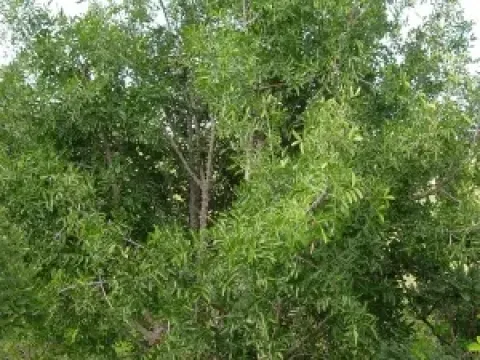
Zanthoxylum chalybeum
Zanthoxylum chalybeum
Zanthoxylum chalybeum, commonly known as the knobby club, is a deciduous tree or shrub belonging to the Rutaceae family. It is native to tropical Africa and is highly valued for its medicinal bark, essential oils, and role in traditional medicine.
What the section contains
Zanthoxylum chalybeum
The species thrives in well-drained, sandy to loamy soils. It is remarkably drought-tolerant, making it well-suited for arid and semi-arid climates where water scarcity limits the cultivation of more demanding horticultural crops.
Full sun exposure is a critical requirement for the optimal growth of Zanthoxylum chalybeum. Providing adequate space between trees is necessary to prevent overcrowding, which can lead to reduced essential oil content and poorer overall plant health.
Soil pH should ideally be neutral or slightly acidic. While the plant is hardy, initial growth stages require protection from weeds to minimize competition for nutrients and water, which is crucial during the establishment phase of the plantation.
Botanically, the tree is recognized by its thorny bark and aromatic, pinnate leaves. Proper crown management through pruning is recommended to facilitate harvesting and to encourage the development of new, healthy foliage rich in phytochemicals.
Scale insects represent a significant threat to Zanthoxylum chalybeum, as they can weaken the plant by feeding on the sap. Regular monitoring is necessary to apply targeted interventions, including the use of horticultural oils.
Fungal pathogens causing leaf spot and stem cankers are prevalent in high-humidity conditions. Maintaining proper spacing and improving airflow within the plantation canopy are the most effective management strategies against these diseases.
Root rot, often caused by waterlogging, is a major risk factor. Ensuring that the planting site has excellent internal soil drainage is the primary defense mechanism against this destructive soil-borne problem.
Termites can attack the bark of older trees, especially if the tree is weakened by environmental stress. Protective bark treatments and maintaining vigorous plant health are recommended to deter infestation and prevent wood loss.
Monitoring for defoliating caterpillars is also advised during the peak growing season. Integrated pest management (IPM) practices, emphasizing biological controls, are preferred to maintain the ecological balance of the plantation.