
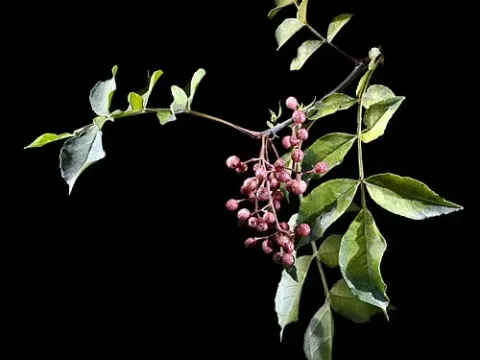
Zanthoxylum atchoum
Zanthoxylum atchoum
Sowing seeds of Zanthoxylum atchoum is best performed in early spring, immediately following a period of natural or artificial stratification. The seeds possess a hard outer coat, necessitating scarification to enhance germination rates.
What the section contains
Zanthoxylum atchoum
The ideal growing medium for sowing is a light, well-draining soil mix with a neutral pH level. Seeds should be sown at a depth of no more than 1-2 centimeters to ensure successful emergence of the seedlings.
Temperature management during the germination phase is critical, with an optimal range of 20–22 degrees Celsius. Maintaining consistent soil moisture is essential, though waterlogging must be avoided to prevent seed rot.
Seedlings should be pricked out after the development of the second pair of true leaves. As the plant is sensitive to root disturbance, transplanting into the field should be executed carefully using the root-ball transfer method.
For commercial cultivation, spacing between plants should be maintained at 2-3 meters. This allows for adequate nutrient access and facilitates efficient maintenance operations throughout the growth cycle.
Zanthoxylum atchoum belongs to the Rutaceae family and thrives in sunny locations protected from strong winds. The crop has high light requirements; inadequate exposure leads to etiolated stems and a reduction in essential oil content.
Soil quality is a decisive factor in plant development. Loamy or sandy-loam soils enriched with organic matter, characterized by excellent aeration and low groundwater levels, are highly preferred.
While the plant shows moderate drought tolerance, regular irrigation is vital for high-quality yield during the active growing season. Mulching the base of the plants is recommended during summer to conserve soil moisture.
Zanthoxylum is sensitive to sharp temperature fluctuations during winter. In temperate climates, young specimens require winter protection as the root zone can be susceptible to damage from severe frost.
Good agricultural practice includes systematic soil cultivation, weed control, and the application of balanced mineral fertilizers, especially during the phase of rapid foliage expansion.
The productivity of the plant depends on growing conditions and the age of the crop. The first significant harvests of spice materials, including fruits and leaves, typically begin 3-4 years after planting.
In favorable environments, fruit yields can reach 2-5 kilograms per mature shrub. The yield of essential oils, contained within the fruits and foliage, serves as the primary indicator of product quality.
Yields can be enhanced through the use of drip irrigation systems and precise nitrogen-phosphorus fertilization. The species tends to exhibit biennial bearing, a common trait among many Rutaceae members.
Regular sanitary pruning stimulates lateral branching, leading to an increased number of fruiting twigs. The productive lifespan of the plant can exceed 15-20 years with proper care and maintenance.
The quality of the harvest is assessed based on aromatic properties and the concentration of specific alkaloids, which provide the product with its characteristic pungent taste and citrus notes.
Zanthoxylum atchoum exhibits natural resistance to several diseases due to its high content of phytoncides and essential oils, yet it remains susceptible to fungal infections under excessive moisture conditions.
Root rot, often caused by poor drainage or stagnant water, is among the most significant threats. Prevention focuses on improving soil structure and strictly adhering to appropriate irrigation schedules.
Pests such as aphids and spider mites may infest the plant, feeding on the juices of young shoots. These can be effectively managed using biological insecticides or mild soap-based solutions.
Powdery mildew may occur, particularly during periods of high atmospheric humidity and poor ventilation. Prompt removal of infected plant material is essential to prevent the spread of the pathogen.
In regions with intensive farming, monitoring the phytosanitary status is crucial to prevent large-scale pest outbreaks that could significantly compromise overall crop health and yield quality.
Fruit harvesting is conducted when the berries reach full maturity, indicated by their characteristic color and peak aromatic intensity, usually occurring in late summer or early autumn.
Leaves destined for use as culinary spices can be harvested throughout the growing season, though they are considered most potent just before the onset of the flowering stage.
Collected plant material requires immediate drying in well-ventilated areas, away from direct sunlight, to prevent the evaporation and degradation of volatile essential oils.
The harvesting process requires caution due to the presence of thorns on the plant's branches; therefore, the use of protective gloves and sharp pruning shears is strongly recommended.
Once dried, the product is processed into powder or stored in airtight containers. Proper storage ensures the preservation of the unique organoleptic properties for an extended period.