
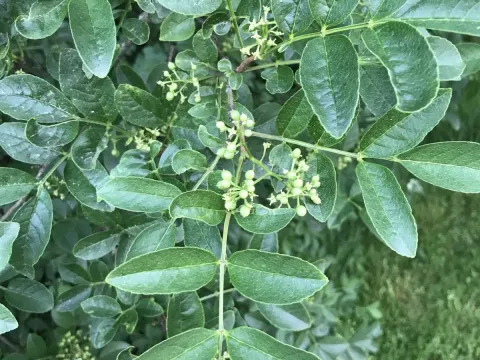
Zanthoxylum coreanum
Zanthoxylum coreanum
Propagation of Zanthoxylum coreanum is usually achieved through seeds or vegetative methods such as cuttings. Seeds require preliminary stratification for 2–3 months at low positive temperatures to significantly increase germination rates.
What the section contains
Zanthoxylum coreanum
Sowing should be done in early spring as soon as the soil warms up sufficiently. The optimal germination temperature ranges from 18 to 22 degrees Celsius, provided that the substrate maintains moderate moisture levels.
For vegetative propagation, semi-hardwood cuttings are used, which are typically taken during the summer months. They are placed in a loose, nutritious medium under plastic cover to ensure consistent air humidity.
Young seedlings require an initial year of care in a protected greenhouse environment. This period is crucial for strengthening the root system and preparing the plant for transplanting to its permanent location in the garden or field.
Transplanting to a permanent site should follow a spacing pattern that allows sufficient growing space for each plant. Since mature specimens develop wide crowns, a distance of at least 2–3 meters between rows is recommended.
Zanthoxylum coreanum is a deciduous shrub belonging to the Rutaceae family, naturally occurring on mountain slopes and forests of the Korean Peninsula. The plant prefers well-lit areas with light shading during the hottest hours of the day.
The crop has moderate requirements regarding soil composition; however, it thrives best in fertile, loamy substrates with a neutral or slightly acidic pH. Quality drainage is essential, as waterlogging is detrimental to the root system.
The plant demonstrates good winter hardiness and can withstand short-term frosts typical of a temperate climate. In northern regions, it is advisable to mulch the root zone during the winter to protect the plant from harsh temperatures.
During the active growth phase, the crop requires regular irrigation, especially during dry spells. Mature bushes are relatively drought-tolerant, but moisture stress can negatively affect fruit yield and the quality of essential oils.
Agricultural management also includes the regular application of balanced mineral fertilizers in early spring. This promotes the healthy formation of flower buds and encourages vigorous shoot growth during the summer season.
The economic value of Zanthoxylum coreanum lies in its fruits and seeds, which contain specific aromatic compounds. The spices derived from this plant are prized for their sharp, citrusy, and woody flavor, widely used in Asian cuisine.
The first significant harvest can be expected 3–4 years after transplanting to a permanent location. Yield volumes are directly dependent on the level of agricultural management, sunlight exposure, and the age of the bush.
Maximum productivity of healthy, mature specimens is achieved through regular rejuvenating pruning. This practice stimulates the development of young fruit-bearing branches and prevents excessive crown density.
In addition to fruits, young leaves are sometimes used in culinary applications due to their delicate aroma. These should be harvested during the active growth period, taking precautions against the thorns on the branches.
The final quality of the product depends on proper drying and storage techniques. Fruits must be harvested as they ripen and then dried in shaded, well-ventilated areas to preserve the volatile essential oils.
Zanthoxylum coreanum is generally a resilient crop, but it can be susceptible to fungal diseases if agricultural practices are neglected. Root rot is the most serious threat, caused by poor drainage and excessive soil moisture.
High humidity conditions may lead to various leaf spot diseases. Prevention involves thinning the crown to ensure adequate air circulation and performing timely sanitary pruning to remove damaged or diseased wood.
Common pests include sucking insects such as aphids and spider mites. These parasites feed on the sap of young shoots, weakening the plant and increasing its vulnerability to other secondary infections.
When pests are detected, biological control methods or selective systemic insecticides are recommended. It is vital to complete any treatments before the fruit begins to form to prevent chemical residues in the final product.
Overall plantation health depends on maintaining a balanced nutrition regime and ensuring the area around the base of the plant remains free of weeds. A robust plant can naturally resist most pathogens with proper care.
Fruit harvesting takes place in late summer or early autumn when the capsules develop their characteristic color and begin to split. Delaying the harvest leads to seed shedding, which significantly reduces the marketable yield.
Harvesting is performed manually, a process made more difficult by the sharp thorns on the branches. It is highly recommended to wear thick protective gloves during the collection of the fruits.
The harvested fruits should be spread in thin layers on trays in dry, ventilated areas. Exposure to direct sunlight during the drying process must be avoided to prevent the evaporation of valuable essential oils.
Cleaning the seeds from the fruit husks is done after they are completely dry. Depending on the culinary requirement, either the whole dried capsules or just the inner seeds are utilized.
For long-term storage, the dried product should be kept in airtight containers made of dark glass or heavy-duty paper. This preserves the intensity of the flavor and aroma of the Zanthoxylum for up to 1–2 years.