
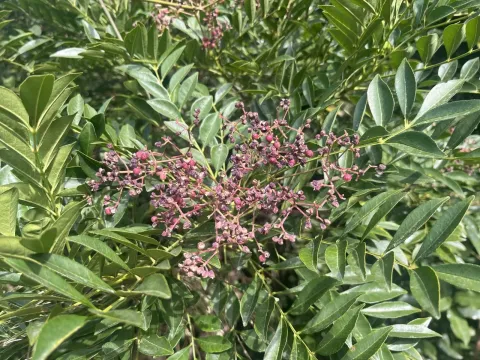
Zanthoxylum avicennae
Zanthoxylum avicennae
Zanthoxylum avicennae is a perennial woody species belonging to the Rutaceae family. It is widely recognized for its aromatic properties and its role in traditional pharmacological practices within its native Asian range.
What the section contains
Zanthoxylum avicennae
The plant thrives in subtropical climates, requiring significant sunlight and consistent warmth to reach its maximum productivity and development potential during the growing season.
Soil preferences are strictly defined: the plant requires well-drained, fertile soil, ideally with a slightly acidic to neutral pH balance to ensure optimal nutrient uptake and root health.
Botanically, it is characterized by pinnate leaves containing essential oil glands and the presence of thorns on the bark, which is a classic feature of many species within the Zanthoxylum genus.
Field management includes standard practices such as mulching to preserve moisture, regular monitoring of soil nutrition, and controlled irrigation to prevent dehydration during dry spells.
Common agricultural threats include infestations by scale insects and spider mites, which are particularly attracted to the nutritious sap found in the leaves and tender young twigs.
Fungal diseases, such as root rot and leaf spot, represent a major risk if the drainage is insufficient, often occurring after periods of prolonged and heavy rainfall.
Integrated pest management (IPM) strategies are highly recommended, focusing on the use of natural predators and selective, low-impact chemical applications when necessary.
Early detection of disease symptoms, such as leaf yellowing or stunted growth, is critical to maintaining the health and yield of the Zanthoxylum plantation.
Sanitation practices, including the removal of dead plant material and proper spacing, significantly reduce the pressure from common orchard pathogens and pests.