
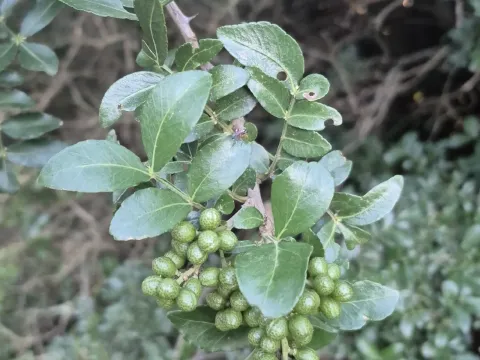
Zanthoxylum capense
Zanthoxylum capense
Propagation of Zanthoxylum capense is primarily achieved through seeds, which should be sown immediately after collection to maximize their viability and germination rates.
What the section contains
Zanthoxylum capense
Cold stratification for a period of 4 to 8 weeks is highly recommended to break seed dormancy and ensure synchronized germination in the spring.
Seeds should be sown in a well-draining potting mix at a depth of approximately 1 centimeter, maintaining consistent moisture levels throughout the process.
Vegetative propagation via semi-hardwood cuttings is an alternative method, requiring the application of rooting hormones and high humidity environments to succeed.
Once seedlings have developed two sets of true leaves, they can be transplanted into larger containers or hardened off for planting in the field.
As a member of the Rutaceae family, Zanthoxylum capense thrives in fertile, well-draining soils with a neutral pH, and it cannot tolerate waterlogged conditions.
This species is native to subtropical regions of South Africa and requires significant exposure to sunlight to develop its characteristic aromatic compounds.
Temperature management is crucial, as the plant is not frost-tolerant and requires protection from temperatures dropping below freezing point.
Regular irrigation is necessary for young plants, though mature trees demonstrate a degree of drought tolerance once their root systems are fully established.
Applying balanced NPK fertilizers during the early spring encourages vigorous growth and strengthens the woody structure of the tree.
The economic yield of Zanthoxylum capense is primarily derived from its aromatic fruits and leaves, which are harvested for essential oil extraction and culinary uses.
Plants generally reach maturity and start producing harvestable yields after 3 to 5 years, depending on the environmental conditions and the quality of care.
Yield efficiency can be significantly improved by implementing proper pruning techniques, which stimulate the development of new fruiting wood.
Post-harvest management involves drying the fruits under controlled conditions to preserve the volatile oils and aromatic qualities essential for commercial value.
Sustainability in production requires careful monitoring of plant health to ensure consistent annual yields throughout the productive life of the tree.
Common pests affecting this crop include aphids, scale insects, and spider mites, which can cause significant damage to young shoots and leaves if left untreated.
Fungal diseases, including powdery mildew and root rot, represent the most frequent pathological threats, particularly in areas with high humidity and poor airflow.
Preventive measures such as proper tree spacing and regular thinning of the crown are essential to minimize the spread of airborne pathogens.
In cases of severe infestation, integrated pest management protocols, including the targeted use of systemic insecticides, should be employed.
Routine inspection of the trunk and branches is necessary to identify early symptoms of disease or infestation before they compromise the tree's development.
Harvesting of the fruit typically occurs in the late summer or autumn when the seed capsules reach maturity and begin to change color.
Manual picking is the standard practice due to the presence of spines on the branches, requiring workers to use appropriate protective equipment.
Care must be taken during the harvesting process to avoid damaging the fruiting spurs, as this can negatively impact the plant's production in the following seasons.
Once harvested, the plant material should be processed or dried promptly to prevent mold development and ensure the high quality of the final product.
Proper sorting and grading are essential steps in the harvest workflow to separate high-quality spice material from any debris or low-grade matter.