
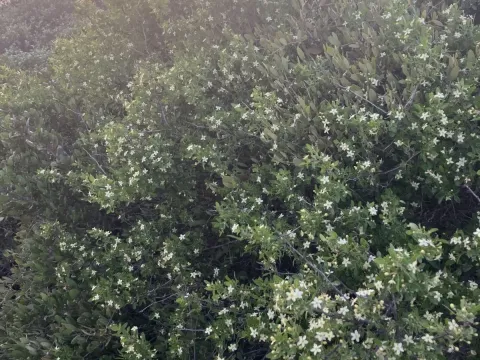
Ptelea aptera
Ptelea aptera
Ptelea aptera, commonly known as the wingless ptelea, is a shrub belonging to the Rutaceae family. It is a distinct botanical species characterized by its seed pods, which lack the papery wings typical of other plants in the genus.
What the section contains
Ptelea aptera
The native range of this species is confined to arid regions, specifically parts of California and Baja California in Mexico. It thrives in well-draining, rocky, or sandy substrates where other plants might struggle due to limited nutrient availability.
Climate preferences for Ptelea aptera are strictly Mediterranean or semi-arid. It requires a significant amount of direct sunlight to maintain a dense, healthy growth form, making it an excellent candidate for xeriscaping.
Soil management for this culture is straightforward: priority must be given to drainage. The plant will not tolerate heavy, waterlogged clays, which can lead to rapid root rot and systemic failure of the shrub.
Minimal maintenance is required once the plant is established. Supplemental irrigation is only necessary during the most extreme drought conditions; otherwise, the shrub is well-adapted to the natural cycles of its native environment.
The primary threat to the health of Ptelea aptera is the presence of pathogenic fungi in the soil, which are almost always triggered by excessive moisture and poor air circulation around the root zone.
Insect pests, including aphids and spider mites, may target young, tender foliage during the spring and summer. Integrated pest management strategies, such as biological control or horticultural oils, are generally effective.
Pruning should be performed with caution. It is vital to remove only dead or diseased wood to maintain the plant's structure. Any cuts made to the main branches should be kept clean to prevent infection.
Root health is the ultimate indicator of success. If the plant shows signs of chlorosis or leaf drop, it is often a sign that the moisture levels or soil drainage do not meet the strict requirements of the species.
To ensure long-term viability, maintain a clean perimeter around the base of the shrub. Removing debris helps reduce the likelihood of pest infestations and fungal spores taking root in the vicinity of the plant.