
Ravenia
Ravenia
Ravenia is a genus of evergreen shrubs and small trees belonging to the Rutaceae family. Native to the tropical regions of Central and South America, these plants are primarily found in humid forest environments, where they are valued for their lush foliage and elegant structural growth.
What the section contains

Ravenia
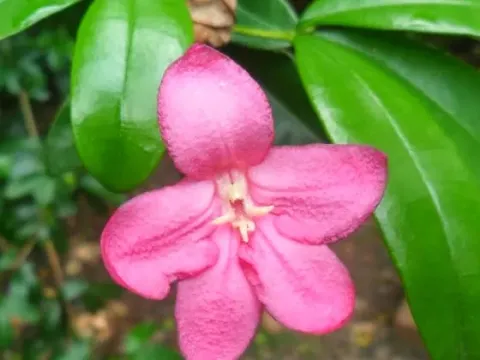
Botanically, Ravenia species exhibit distinct characteristics typical of the citrus family, including aromatic leaves when crushed due to the presence of oil glands. The foliage is typically leathery, providing a robust appearance, and the flowers often emerge in small, clusters, adding a decorative flair to the plant's architecture.
Cultivation requirements necessitate a stable tropical climate with high ambient humidity and consistently warm temperatures. Ravenia cannot tolerate frost or significant temperature drops, making it unsuitable for outdoor growth in temperate zones without strict climate control measures in greenhouses.
Soil quality is paramount for the health of Ravenia. The growing medium must be rich in organic matter and possess exceptional drainage capabilities to prevent waterlogging. A balanced substrate comprising peat, loam, and coarse grit is often recommended to support healthy root system development and avoid respiratory stress in the roots.
The primary use of Ravenia is ornamental, serving as an attractive feature in botanical gardens and private conservatories. Its aesthetic appeal makes it a popular choice for tropical-themed landscaping where climate allows, as well as an prized specimen plant for dedicated indoor plant enthusiasts.
Pest pressures for Ravenia are largely focused on indoor environments, where common greenhouse pests such as spider mites, mealybugs, and scale insects can cause significant damage. These pests thrive in dry conditions and can quickly weaken the plant if left untreated by regular inspections and cleaning.
Fungal diseases, specifically root rot, pose the greatest threat to Ravenia. This is almost exclusively linked to poor drainage or overwatering practices. Maintaining a strict irrigation schedule and ensuring the pot allows for adequate aeration are the most effective strategies for preventing lethal plant decline.