
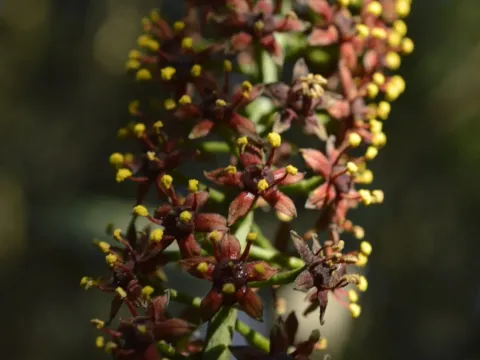
Pilocarpus
Pilocarpus
The propagation of Pilocarpus begins with the careful selection of seeds or cuttings in a controlled nursery environment. Due to the hard seed coat, seeds often require scarification or chemical treatment to break dormancy and ensure uniform germination across the batch.
What the section contains


Pilocarpus
Sowing is typically timed to coincide with the beginning of the rainy season to provide the seedlings with the necessary moisture for early development. The substrate used for sowing must be well-draining, rich in organic matter, and kept in a semi-shaded environment to protect delicate sprouts.
Vegetative propagation via semi-hardwood cuttings is a preferred method for commercial plantations as it ensures genetic consistency. Cuttings are placed in rooting hormone before being planted in trays where humidity and temperature are strictly regulated to promote root growth.
Seedlings remain in the nursery phase until they reach a robust height of 25 to 30 centimeters. During this time, they are gradually acclimated to stronger light conditions to prepare them for field transplanting, which minimizes post-transplant shock.
Field planting follows a systematic grid pattern, typically maintaining a two-meter spacing between plants. This distance is vital for long-term health, as it allows for proper airflow, which is essential to prevent the accumulation of fungal pathogens in the dense foliage.
Pilocarpus is a genus of tropical shrubs in the Rutaceae family, native to the rainforests of Brazil. It thrives in high-temperature environments where the climate remains stable throughout the year, lacking extreme variations or frost.
The ideal soil for Pilocarpus is a deep, well-draining, and fertile loam with a slightly acidic pH, ideally between 5.5 and 6.5. Because the plant is highly susceptible to root rot, any form of soil waterlogging must be avoided, making elevated fields or sloped sites preferred.
High relative humidity is essential for the plant's metabolic activity. In plantations located in drier zones, the use of automated misting systems is necessary to mimic the natural rainforest microclimate that promotes optimal leaf production.
Nutrient management is critical for maximizing the yield of alkaloids. Regular application of balanced NPK fertilizers, supplemented with specific micronutrients like magnesium, helps the plant maintain deep green leaves and prevents common chlorosis issues.
The plant possesses oil glands on its leaves which provide a level of chemical defense. However, constant environmental monitoring is required to ensure that the plants are not stressed by drought or nutrient deficiencies, which could lower the quality of the harvested biomass.
The primary economic output of Pilocarpus is its foliage, which is harvested specifically for the extraction of pilocarpine. The first harvest can typically commence three to four years after the plantation is established, depending on growth rates.
Harvesting is performed manually to ensure only healthy, mature leaves are selected. This selective harvesting method allows the shrub to remain productive for many years, as the plant continues to develop new growth after the older foliage is removed.
An average plantation can yield between one to two tons of dry leaf matter per hectare annually. Efficiency depends heavily on the frequency of harvest cycles and the ability of the plant to recover from partial defoliation throughout the growing season.
Post-harvest processing involves drying the leaves in a controlled environment. The temperature must not exceed 45 degrees Celsius, as excessive heat triggers the rapid degradation of the heat-sensitive alkaloids, significantly reducing the market value of the crop.
The economic lifespan of a productive Pilocarpus bush typically lasts for over a decade. After this period, alkaloid concentration tends to plateau or decrease, prompting plantation managers to rotate crops or replant the area with new, higher-yielding stock.
Pilocarpus plantations face several challenges, primarily involving fungal infections during periods of high humidity. Powdery mildew is a frequent concern, often exacerbated by poor air circulation or overcrowding of the canopy.
Root rot caused by Oomycetes or Fusarium species is a major threat if soil drainage is compromised. Once the roots are infected, recovery is rare, making preventative soil management and strategic watering practices the first line of defense.
Scale insects and spider mites are common pests that target the leaves. These pests are controlled through a combination of biological pest management and the removal of heavily infested branches, which helps to maintain the organic integrity of the medicinal crop.
Sanitation practices, such as removing dead foliage and pruning branches to improve canopy light penetration, are essential. Pruning should be conducted during dry periods to prevent spores from entering fresh cut sites on the stems.
- Regular moisture monitoring to prevent waterlogged soil
- Canopy thinning to improve air movement
- Bi-annual application of balanced micronutrient sprays