
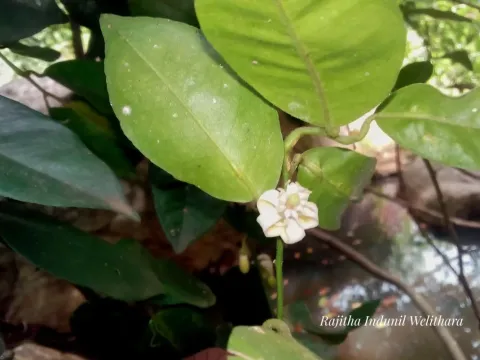
Paramignya
Paramignya
Paramignya is a genus of evergreen shrubs and small trees belonging to the family Rutaceae. These plants are primarily native to the tropical regions of Southeast Asia, India, and China, where they thrive in humid forest environments.
What the section contains

Paramignya
To cultivate these plants successfully, one must replicate their natural tropical habitat. They require consistent warmth, with temperatures ideally maintained between 22 and 28 degrees Celsius, and protection from any frost or cold drafts.
The soil should be well-draining, fertile, and slightly acidic. A mix of peat, organic compost, and coarse perlite or sand is highly recommended to ensure roots have access to oxygen while retaining necessary moisture.
Lighting requirements are specific; they need bright, indirect sunlight. If kept indoors, placing the plant near an east or west-facing window is usually ideal to avoid the scorching effect of intense midday sun on the delicate leaves.
Watering practices are critical for the health of Paramignya. The soil should remain consistently moist but never waterlogged. Always check that the top layer of the substrate has slightly dried before performing the next watering cycle.
Scale insects are among the most persistent pests affecting this genus. These small, armored insects sap the plant's vitality and must be treated with horticultural oils or specific systemic insecticides to be eradicated effectively.
Spider mites often attack the foliage during drier seasons or in low-humidity environments. Regularly misting the leaves and increasing the ambient humidity can act as an effective preventative measure against mite infestations.
Root rot is a common threat caused by overwatering or poor drainage. It manifests as yellowing leaves and a general decline in the plant's health, often requiring immediate repotting and the removal of damaged, blackened roots.
Mealybugs can cluster in the axils of leaves and stems, forming white, cottony masses. Manual removal using a cotton swab dipped in isopropyl alcohol is an effective first step, followed by an appropriate insecticidal treatment.
Fungal leaf spot can occur when water remains on the leaves for prolonged periods in cool conditions. To prevent this, ensure that the plant has adequate spacing and airflow, and avoid overhead watering that keeps the foliage wet for too long.