
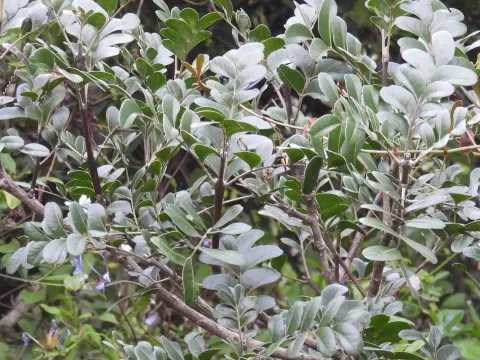
Ptaeroxylon
Ptaeroxylon
Ptaeroxylon, commonly known as Sneezewood (Ptaeroxylon obliquum), is a remarkable tree species belonging to the family Rutaceae. Native to southern and eastern Africa, it is primarily found in woodland, savanna, and hilly terrains where it has adapted to diverse ecological conditions.
What the section contains

Ptaeroxylon
Successful cultivation of Ptaeroxylon requires well-draining, nutrient-rich soils that support deep root development. The species is notably drought-tolerant, making it an excellent candidate for reforestation projects in arid or semi-arid climates where other species might fail.
Full sun exposure is essential for the healthy growth and structural integrity of the tree. While it prefers warm temperatures, mature specimens demonstrate significant resilience to fluctuating weather conditions, provided the root system remains stable and aerated.
Agrotechnical practices involve careful site selection to avoid areas with poor drainage, as the species is sensitive to waterlogging. Planting should be timed to coincide with the onset of the rainy season to ensure optimal root establishment for young saplings.
Maintaining soil fertility through organic amendments can accelerate the early growth stages, although the tree is naturally adapted to survive in relatively low-nutrient environments throughout its lifecycle.
The primary yield from Ptaeroxylon is its highly durable and exceptionally dense wood, which is celebrated for its resistance to decay and termites. This timber is highly prized for cabinetry, furniture, and specialized craftsmanship.
Due to the slow growth rate of the species, timber production requires long-term planning and patience. However, the premium quality of the wood provides significant economic value, justifying the extended investment period in forest management.
Secondary products include aromatic extracts derived from the wood and bark, which have historical and modern applications in fragrance production and potentially in the pharmaceutical industry due to their distinct chemical properties.
Seed harvesting should be performed when the capsules reach maturity. High-quality seeds are vital for nursery propagation, as the germination rate is highly dependent on the freshness and proper storage of the biological material.
Proper thinning and management of the plantation canopy ensure that individual trees reach their maximum potential for timber volume, directly impacting the overall yield per hectare.
Young plantations of Ptaeroxylon face significant pressure from mammalian herbivores, which can browse heavily on the leaves and damage the bark of young stems, negatively impacting the tree's development.
Stem-boring insects present a technical challenge, as they can tunnel into the wood of weakened or stressed trees, reducing the quality of the timber and causing structural weaknesses.
Fungal pathogens associated with damp environments can lead to root and collar rot. Maintaining proper hygiene in nurseries and plantations is crucial to preventing the spread of these soil-borne diseases.
Environmental changes and habitat loss remain the most serious threats, requiring sustainable land-use practices to preserve the genetic diversity and ecological presence of the species in its natural range.
- Damage caused by wood-boring beetle larvae.
- Susceptibility to fungal root rot in poorly drained substrates.
- Grazing pressure from local fauna during the sapling stage.