
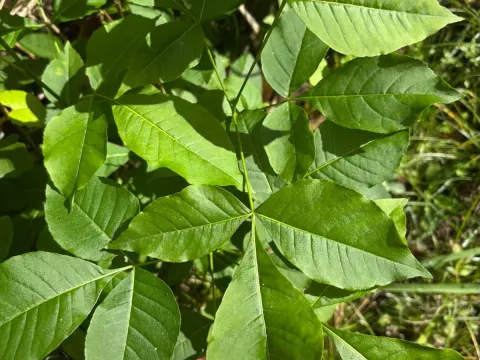
Ptelea trifoliata
Ptelea trifoliata
Ptelea trifoliata, commonly known as the hoptree, is typically propagated through seeds which require cold stratification to break dormancy. This process mimics natural winter conditions and significantly increases germination rates.
What the section contains
Ptelea trifoliata
Seeds should be sown in the fall, allowing them to remain in the ground throughout the winter months. This method is considered the most efficient for large-scale cultivation and establishes a strong root system from the start.
Vegetative propagation is achieved via softwood cuttings taken in early summer. These cuttings are placed in a well-draining medium and kept under controlled humidity to ensure proper rooting before the next season.
When transplanting young saplings, ensure they are spaced adequately to allow for future crown development. The plant prefers full sun but demonstrates remarkable flexibility in choosing its permanent location.
Establishing the plant during its first year is crucial. Regular watering and keeping the surrounding area free from invasive weeds will ensure the plant grows vigorously and avoids unnecessary competition.
Belonging to the Rutaceae family, the hoptree is a resilient shrub that adapts well to various soil types. It thrives in well-drained, fertile loams, though it can tolerate slightly rocky or sandy soils if moisture is adequate.
The shrub is highly versatile regarding light conditions, preferring sunny spots but tolerating partial shade. This makes it an excellent choice for various landscaping designs where light availability may be inconsistent.
Ptelea trifoliata is noted for its high frost resistance. It is well-suited for temperate climates and does not require extensive winter protection, making it a low-maintenance option for gardeners and landscapers alike.
Occasional fertilization with organic matter during the active growth period encourages healthy foliage and enhances the plant's natural resistance to environmental stress, including periods of drought.
Pruning should be performed to maintain the desired shape and size. As the plant is long-lived, strategic trimming of old or damaged branches will help maintain its vigor and improve airflow through the dense canopy.
The hoptree is highly regarded as an exceptional honey plant. During its flowering season, it provides a consistent source of nectar that is very attractive to honeybees and other pollinators in the ecosystem.
Beyond its use in gardens, the plant serves an important role in soil stabilization. Its root system is effective at preventing erosion, making it suitable for planting on slopes or in areas where soil loss is a concern.
The seeds are held within distinct, circular samaras that remain on the plant long after the leaves fall. These structures offer visual interest and contribute to the plant's decorative appeal throughout the autumn and winter.
Historically, the bitter bark of the plant has been used in various medicinal preparations, though today its value is primarily ornamental and ecological, contributing to biodiversity in natural habitats.
By providing shelter and food for various wildlife, Ptelea trifoliata acts as a supporting element in urban greening projects, enhancing the sustainability and resilience of managed landscapes.
Ptelea trifoliata possesses natural defense mechanisms, including aromatic oils in its leaves, which make it relatively resistant to many common garden pests. This significantly lowers the need for chemical interventions.
Like many shrubs, it can be susceptible to powdery mildew during unusually humid and warm seasons. Maintaining proper distance between plants to ensure good airflow is the best preventative strategy against such issues.
Root rot is a potential risk if the soil is consistently waterlogged. To avoid this, it is essential to ensure that the planting site has excellent drainage, particularly in clay-heavy environments.
If aphid outbreaks occur, they typically target new, succulent growth. Simple physical removal or mild horticultural soaps are usually sufficient to manage these populations without harming the plant's overall health.
Overall, Ptelea trifoliata is considered a hardy and reliable plant. By following basic cultural requirements, gardeners can easily avoid most threats and enjoy a healthy, vibrant shrub for many years.