
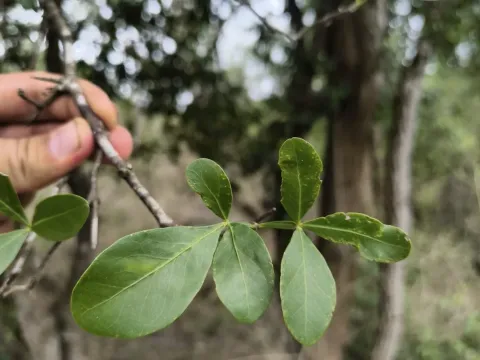
Pleiospermium
Pleiospermium
Pleiospermium is a genus belonging to the Rutaceae family, closely related to citrus plants. These evergreen woody plants are native to the tropical forests of Southeast Asia and are valued for their botanical diversity and specialized growth habits.
What the section contains

Pleiospermium
The cultivation of this genus requires a warm tropical environment. Temperatures should ideally range between 22 and 28 degrees Celsius, as the plants are highly sensitive to cold and do not tolerate frost or chilling conditions.
Light intensity is another critical factor. While adult plants can handle some partial shade, they thrive best under bright, indirect light. Harsh, direct midday sun should be avoided to prevent damage to the leaves.
Soil requirements dictate the use of well-draining, nutrient-rich substrates with a slightly acidic to neutral pH. Proper aeration is essential, as the roots are prone to suffocation in heavy or waterlogged soil structures.
Humidity management is vital, as these plants prefer a humid environment, ideally above 60-70%. Consistent moisture levels in the air help maintain foliage health and promote steady vegetative growth throughout the season.
Common pests include spider mites and scale insects, which frequently target the tender young foliage of the plant. These pests can rapidly drain sap and weaken the overall structure if left untreated.
Mealybugs are also a concern, as they often hide in leaf axils and produce sticky honeydew. This substance promotes the growth of sooty mold, which blocks sunlight from reaching the leaves.
Root rot caused by overwatering is perhaps the most significant threat to the survival of the plant. It leads to necrosis of the root system and requires immediate soil replacement and drainage correction.
Leaf spot diseases caused by fungi often appear when plants are kept in stagnant, poorly ventilated areas. Keeping the foliage dry and maintaining good airflow are the best preventative strategies.
Integrated pest management, including regular inspection and the use of targeted horticultural oils or systemic treatments, is recommended to keep these plants healthy in protected cultivation settings.