
Philotheca
Philotheca
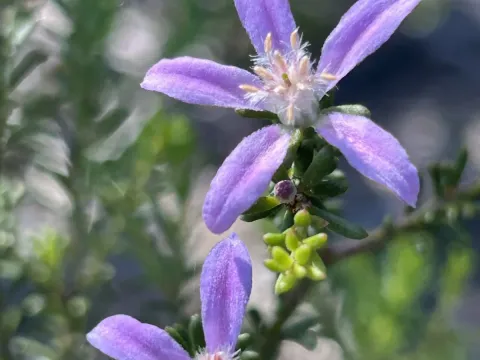
Philotheca is an evergreen shrub belonging to the Rutaceae family, native to the Australian continent. It is highly valued in horticulture for its dense foliage and star-shaped flowers that bloom in clusters.
What the section contains


Philotheca
The plant requires well-drained, acidic soil to thrive. In a garden or container environment, the medium must be highly porous; heavy or clay-based soils should be avoided to prevent root suffocation.
Philotheca grows best in positions with bright, indirect sunlight. While it appreciates morning sun, it should be protected from harsh afternoon heat, especially in container-grown specimens.
A unique aspect of Philotheca management is its high sensitivity to phosphorus. It is crucial to use fertilizers specifically designed for native Australian plants, as regular fertilizers can lead to nutrient toxicity.
During the growing season, consistent moisture is required, but the soil should be allowed to dry slightly between waterings. Overwatering is the most common cause of failure for this species.
Spider mites are the most frequent pests, particularly in indoor environments where the air is dry. They feed on plant sap and can cause significant foliage discolouration if left untreated.
Root rot, caused by the oomycete Phytophthora, is a severe threat to Philotheca. It thrives in waterlogged conditions and is often fatal once the symptoms become visible on the canopy.
Scale insects can infest the stems and leaves, extracting nutrients and weakening the shrub. Periodic inspection of the undersides of leaves is recommended for early detection.
Powdery mildew may develop in stagnant, humid air, necessitating improved ventilation and the application of fungicides if an infection is identified.
Biological controls are preferred for managing these threats. Maintaining plant vigor through proper watering and balanced nutrition remains the best defense against pests and diseases.