
Pamburus
Pamburus
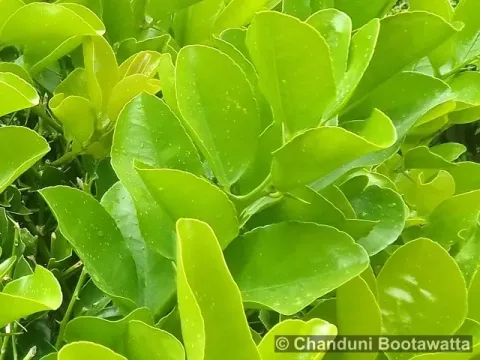
Pamburus (Pamburus missionis) is an evergreen woody plant belonging to the Rutaceae family. It is characterized by its dense foliage and thorns, resembling other members of the citrus tribe in both appearance and ecological niche requirements.
What the section contains

Pamburus
The plant is native to the tropical regions of South Asia, particularly flourishing in India and Sri Lanka. It requires a humid, tropical climate to sustain its growth, as it lacks the physiological mechanisms to survive freezing temperatures or prolonged drought conditions.
For successful cultivation, Pamburus requires well-drained, fertile soil with a slightly acidic to neutral pH. Proper soil aeration is vital, as the root system is highly susceptible to hypoxia and fungal decay when exposed to waterlogged soil conditions for extended periods.
Climatic requirements involve constant high temperatures and protection from harsh, drying winds. While the plant can tolerate some partial shade, optimal growth, flowering, and fruit development occur in areas with high light intensity and sufficient exposure to sunlight.
Management practices include careful irrigation, ensuring the top layer of soil dries slightly before watering. Regular pruning is necessary to maintain a manageable shape and improve air circulation within the canopy, which is essential for minimizing the risk of localized pests.
Pamburus is prone to typical Rutaceae pests, including citrus whiteflies, aphids, and various scale insects. These pests feed on the sap of young stems and leaves, potentially causing stunted growth and providing entry points for secondary bacterial or fungal infections.
Common diseases affecting the plant are primarily associated with improper soil moisture and poor airflow. Anthracnose and various root rots are the most significant threats, often requiring a combination of cultural control methods and localized chemical interventions to mitigate.